MTC Watch Week gave students at 200 schools free access to School Girls, sparking classroom discussions about beauty standards, race, class and girlhood.
A play travels farther than the stage
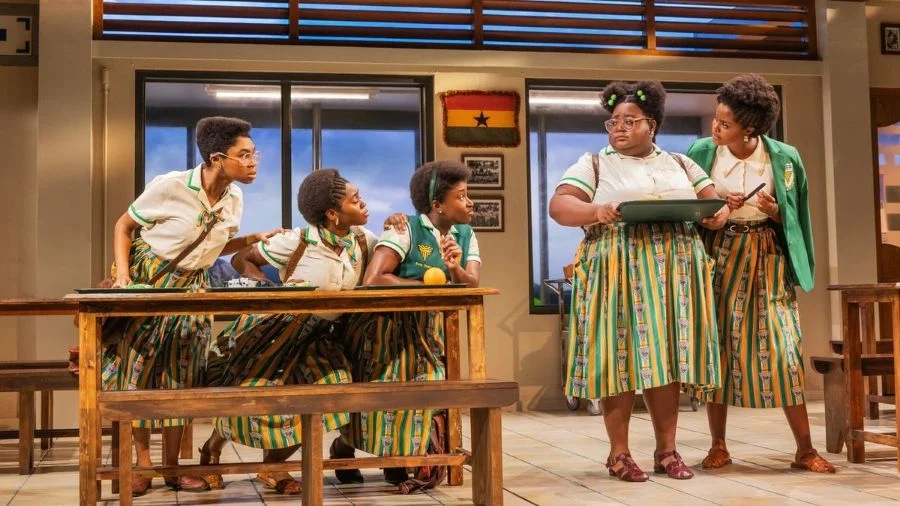
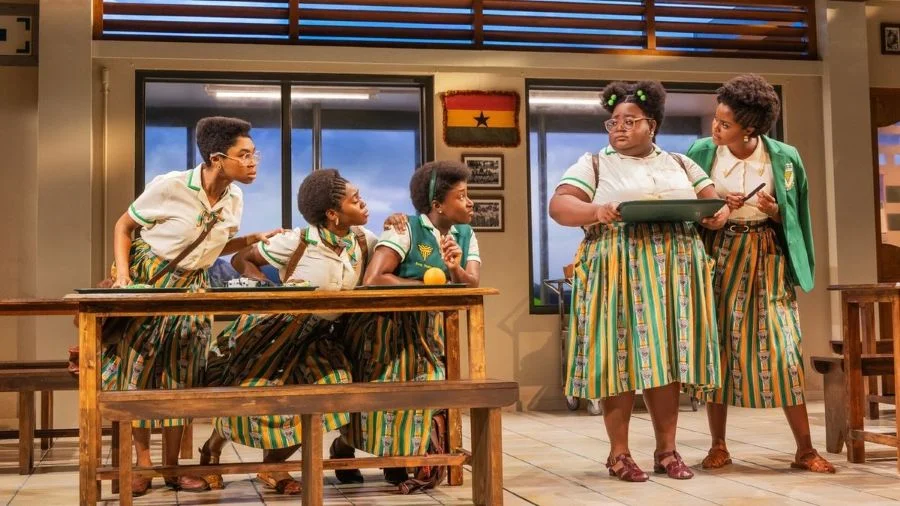
The reach of a theatre production can be measured in more than ticket sales. During Manhattan Theatre Club’s MTC Watch Week, Jocelyn Bioh’s comedy School Girls; Or, the African Mean Girls Play reached more than 11,000 high school students at 200 schools around the world. That’s a substantial audience for a single production, and a reminder that digital access can bring professional theatre into classrooms that may be far from a stage.
The play is set in 1986 at Aburi Girls’ Senior High School in Ghana. Registered schools received free access to a recording, plus teaching resources and discussion prompts created by MTC. The program ran Nov. 2–13. I watched a livestream matinee on a November Sunday from home; with a six-month-old baby nearby, that was an especially welcome way to spend an afternoon.
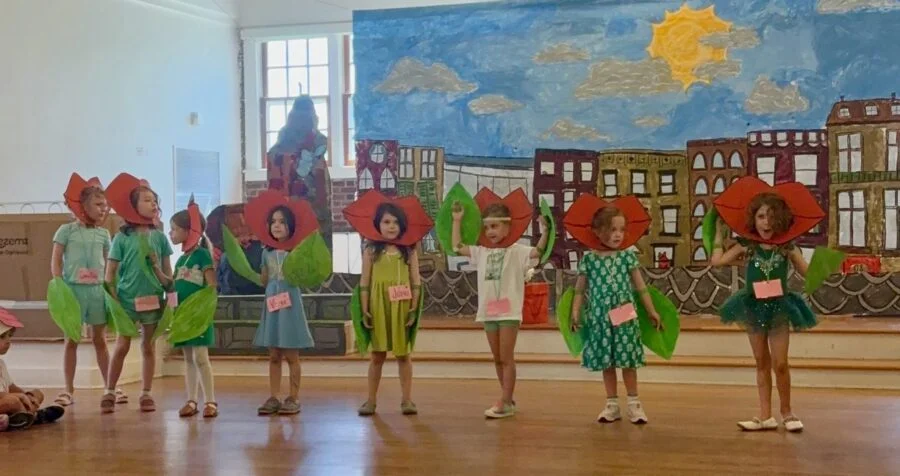
The participating schools ranged widely. A map of the schools shows the program’s reach. A Tennessee theatre teacher said their advanced classes responded enthusiastically: “I showed this to my advanced high school theatre classes, and it was HUGE hit. So much discussion was had about this play among my students.” In Connecticut, students watched it in an English course titled “Conformity and Social Norms.” Students in Palau, an island country, recorded a greeting for the event.
Here’s the thing: the value of putting a play on screen isn’t just that more people can watch it. Bioh’s work gives students a way into conversations about beauty standards, race, class, and the social hierarchies that shape girlhood across cultures. The format makes a professional production available; the classroom discussion is where its ideas can take hold.
That approach fits a broader effort to connect young audiences with theatre through partnerships, co-productions, and collaborations beyond conventional venues. In American Theatre, Sara Morgulis, executive director of Theatre for Young Audiences/USA (TYA/USA), examines how companies are building those connections. MTC Watch Week offers a concrete example: one production, thousands of students, and discussions unfolding across schools worldwide. The next question is whether programs like this can become a regular part of how young people encounter live theatre and its ideas.
Wishing you a wonderful Thanksgiving.
Around the web
- TYA/USA announced its Circle Program, a peer-learning initiative offering mid-career members professional growth and support.
- UNC-Chapel Hill and UNC School of the Arts announced a partnership to expand academic and artistic collaboration between the public research university and professional arts training program.
- The Student Producer Program (SP²), a 16-week course on theatre producing for high school students, begins this month.
- Lin-Manuel Miranda backstage at a student matinee of In the Heights: “Kids falling in love with live theatre in real time is the greatest sound in the world.”
- Playbill’s “How Did I Get Here” column features Max Monnig of The Great Gatsby, reflecting on the influence of his teachers.
- Student submissions are open for the 2027 Excellence in Theatre Education Award, sponsored by Carnegie Mellon University.
- This college-by-college guide to which majors pay off includes thoughtful comments on theatre degrees.
- The Debut, a film inspired by Jesse Eisenberg’s childhood experience with community theatre, is on my watch list.
What theatre teachers want to prioritize
Asked what they hope to try, change, or prioritize in their classrooms this year, readers described a focus on learning, listening, and making room for artists to grow.
Michael Owston wants to remember that he is also a learning artist—and to talk more openly about theatre: its craft, joy, pain, and careers. The aim, he says, is to keep learning to love the work.
Allison McCartney Ognibene plans to reshape the rehearsal process, allowing more time to work through differing perspectives and create spaces that work. She wants to listen, learn, and establish boundaries that let her flourish as both artist and educator.
From the archives
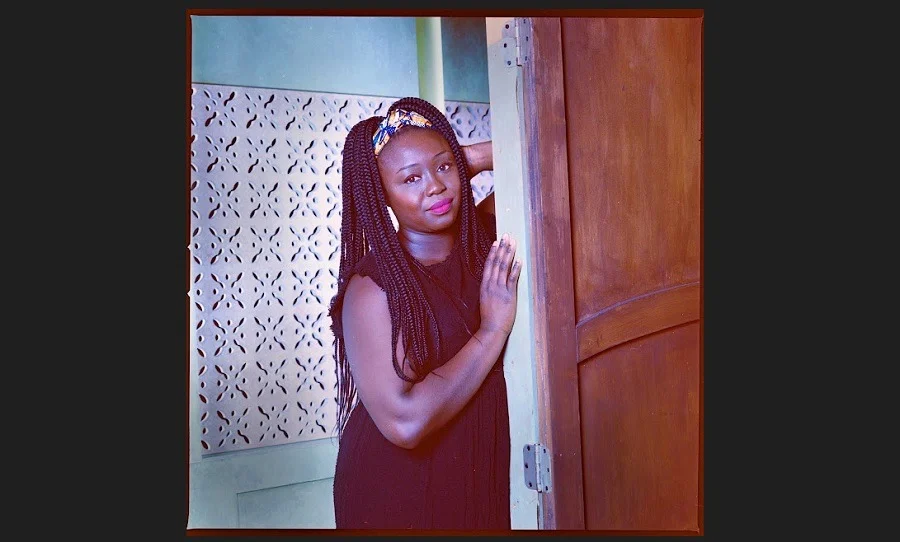
Jocelyn Bioh: ‘African Comedy’ Is Not a Contradiction in Terms — Bioh’s stories bring audiences characters and experiences American theatres have rarely seen, while still feeling immediately recognizable.
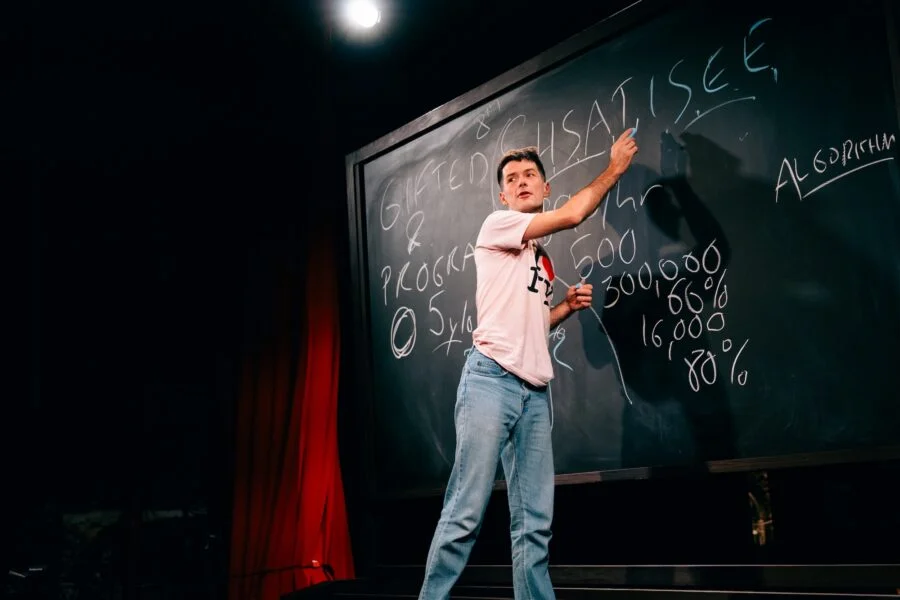 Halloween, ‘School Pictures,’ Teacher Impact, and More



Discussion
Sign in to join the discussion.