RAYE leads with 11 nominations as Rosalía, Ella Langley and rock newcomers shape a field marked by crossover, snubs and familiar favorites.
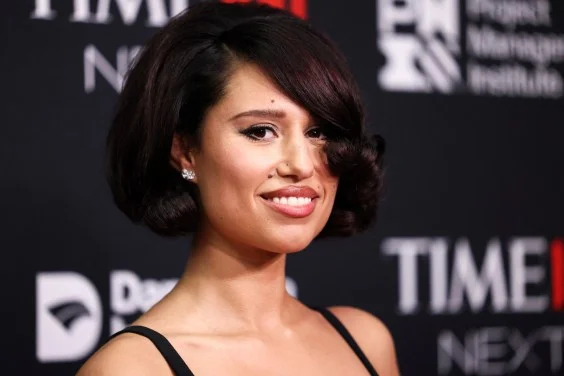
The 2027 Grammy nominations put RAYE and Rosalía at the center of a field that tests how far the awards can stretch across genres. RAYE leads with 11 nods, while Rosalía has nine; Ella Langley’s seven place her in contention across the Grammys’ four top general field categories. The lineup also gives underground rock acts a larger platform, though familiar stars could still dominate the ceremony.
RAYE sets the pace
RAYE’s theatrical, stylistically wide-ranging album This Music May Contain Hope earned more nominations than any other release this year. The recognition follows four nominations across the 2025 and 2026 Grammy cycles, none of which produced a win. This time, her 11-category presence makes a repeat shutout harder to imagine.
The album’s scale and heightened delivery won’t work for every listener. But its ambition is part of its appeal: This Music May Contain Hope gives RAYE room to show more character and range than the polished restraint associated with Adele. The Academy’s response suggests that a maximalist pop record can command attention when it has a distinct voice behind the spectacle.
Rosalía carries Spanish-language music across categories
Rosalía’s nine nominations extend a recent shift in the Recording Academy’s treatment of Latin music. Bad Bunny made history the previous year when Debí Tirar Más Fotos became the first entirely Spanish-language album to win Album of the Year. He was also the first Latin artist nominated for Album, Record and Song of the Year in the same cycle. Rosalía is now the second artist to reach that three-category milestone.
Her nominations span alternative, pop, Latin and global music: LUX is up for Best Alternative Music Album, “Reliquia” for Best Alternative Music Performance, “Sauvignon Blanc” for Best Pop Solo Performance, “La Perla” for Best Latin Song and “Porcelana” for Best Global Music Performance. That spread reflects how difficult it has become to fit some major artists into a single category.
A new Best Latin Song award adds another contest, with Rosalía facing Drake and Sting. The category’s reach will be closely watched: its nominees suggest the Academy is drawing on a wide interpretation of Latin songwriting, even as the awards continue to sort music through genre labels.
Genre boundaries keep loosening
Rosalía isn’t the only artist crossing category lines. Charli XCX, whose earlier work placed her in pop races, is nominated for Best Alternative Music Album for Music, Fashion, Film. Olivia Rodrigo has nominations for Best Pop Vocal Album and Best Pop Solo Performance, alongside recognition for Best Rock Song and Best Rock Performance.
Tame Impala’s path runs the other way. After competing in alternative and rock categories earlier in his career, he has spent three consecutive years in dance and electronic races. This year, he also earned a Best Pop Duo/Group Performance nomination for “Dracula,” his collaboration with Jennie. The pattern says less about artists changing direction overnight than about the categories struggling to contain music that borrows freely from several traditions.
Ella Langley has a rare route to the top
Ella Langley’s “Choosin’ Texas” has spent 27 weeks at No. 1 on the Billboard Hot 100, a run described as the longest in the chart’s history. The Recording Academy often takes commercial performance into account, and Langley’s seven nominations give her a substantial opening to turn that success into awards recognition.
She is nominated in all four of the Grammys’ top general field categories: Album of the Year, Record of the Year, Song of the Year and Best New Artist. Only seven artists have previously appeared in all four races in the same year. The last country artist to do so was Bobbie Gentry, in 1968. Langley now has a chance to join Christopher Cross and Billie Eilish as the only artists to win all four.
Familiar names could still define the night
Taylor Swift and Bruno Mars both received prominent nominations, including places in the Album, Record and Song of the Year races. Their presence gives the Academy a familiar path through the ceremony, but the surrounding field offers alternatives with more surprise and discovery. Swift’s The Life Of A Showgirl drew mixed creative assessments, while Mars’ polished stage persona may feel less novel after years of success.
That tension will shape the broadcast as much as the nominees themselves. The Grammys can recognize a broad slate on paper and still lean on the biggest names when the trophies are handed out. Whether the awards follow that familiar script or give newer voices a defining moment remains the central question.
K-pop gains a category amid a debate over visibility
The new Best Asian Pop Music Performance category brings BABYMETAL, Polyphia, BINI, IVE, KiiiKiii, LiSA and SB19 into the Grammy competition. BTS and Stray Kids have boycotted the awards this year, apparently in protest of the new category. Their position is that Asian artists should compete in the main pop and general field races rather than be grouped in a separate category.
That argument speaks to a wider challenge for an awards show trying to recognize a global audience: a dedicated category can create space for artists, while also raising questions about where that recognition sits in the hierarchy. The nominated acts will give viewers a clearer sense of the category’s range, but the broader question of crossover recognition will remain open.
The omissions leave conspicuous gaps
Harry Styles received no nominations for Kiss All The Time. Disco, Occasionally, despite winning Album of the Year for Harry’s House in 2023. Audrey Hobert and Malcolm Todd, who might have become the first siblings nominated for Best New Artist, were both left out. Noah Kahan also missed the list, as did his prominent fan Stella Lefty.
Madonna’s comeback album Confessions II was shut out of the general field, despite a positive reception. The Strokes and Steve Lacy, both Grammy winners for earlier albums, received no nominations for Reality Awaits and Oh yeah?, respectively. Wednesday and Kelela were also among the artists whose work drew no recognition.
Rock offers a lively mix of generations
The rock races pair established acts with younger and less familiar names. Best Rock Performance puts the Rolling Stones alongside Phoebe Bridgers, Geese, Angine de Poitrine, and Olivia Rodrigo with Robert Smith. Smith also appeared on the new Stones album, a reminder that the category’s generational lines are porous. Best Rock Song follows a similar mix, adding Bruce Springsteen and Yungblud.
Best Rock Album leans more heavily on veteran names: the Rolling Stones, Jack White, Foo Fighters and Muse are all in the running. Angine de Poitrine adds an unpredictable presence to that field. Across the rock categories, the contrast between established acts and newer artists gives the awards more texture than a lineup built around legacy alone.
Independent success remains concentrated
Geese and Angine de Poitrine, two of the year’s most talked-about underground rock bands, each earned Best New Artist nominations and appear elsewhere in the field. Phoebe Bridgers, who has already reached a broad audience with boygenius, is also prominent, including an Album of the Year nod for Lost Weekend.
These nominations recognize artists who have built audiences beyond the traditional indie circuit. Yet a few breakout names can make the wider scene look healthier than it is: many independent musicians continue to struggle for attention and financial stability. The Academy’s recognition matters, but the more telling measure will be whether this year’s visibility opens space for a larger group of independent acts in future races.
Discussion
Sign in to join the discussion.