More than 400 entertainment professionals call on industry leaders to protect people who speak out and confront the silence that lets abuse persist.
A call to end the industry’s silence
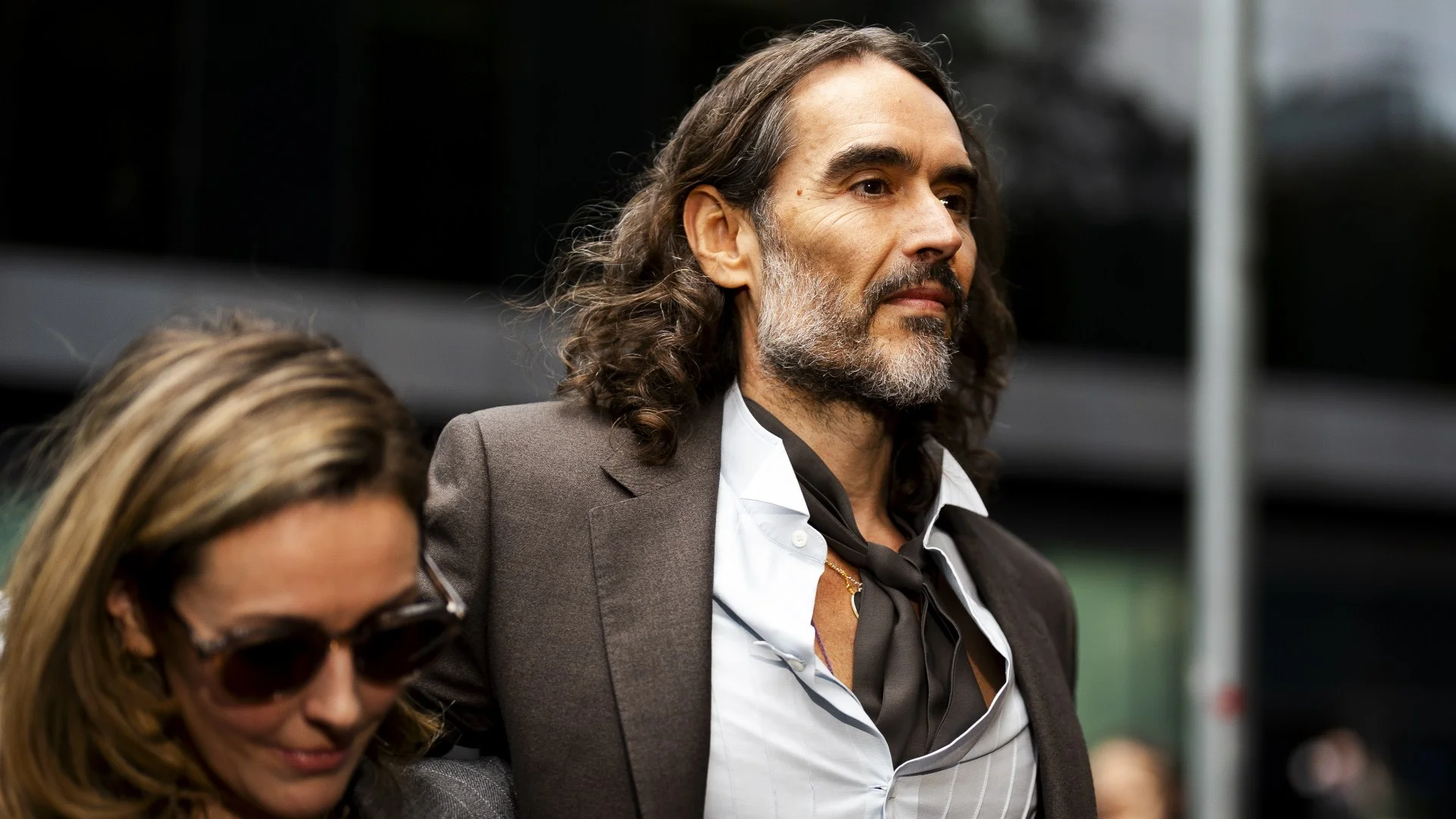
The sharpest point in a new open letter signed by more than 400 U.K. entertainment professionals is its insistence that a high-profile conviction won’t, by itself, change the conditions that let abuse persist. Released Monday, the letter urges studio, broadcaster and union leaders to confront a “culture of silence and secrecy” that signatories say allowed Russell Brand’s abuse to go unchecked. Brand was sentenced last week to 10 and a half years in prison for rape and sexual assault.
The letter arrives as David Walliams, the Little Britain star, faces allegations of sexual misconduct. A joint investigation by The Guardian and ITV News reported that two women said Walliams groomed them after meeting them when they were 15. Walliams denies wrongdoing. The letter presses industry leaders to examine their procedures, protect people who speak out and take criticism of institutional inaction seriously.
“Turning point” requires more than words
Writer, actor and producer Ben Fletcher wrote the letter, with Alexa Morden helping organize it. Published on makethisaturningpoint.com, it has attracted actors, directors and producers including Natalie Dormer (Game of Thrones, The Hunger Games) and Richard Armitage (The Hobbit). Its demand of government is blunt: “act, not debate,” by increasing support for victims, properly resourcing police forces and holding accountable people who know about abuse but choose “convenient ignorance.”
Brand’s sentencing on Nov. 9, following a high-profile London trial in which he testified in his own defense, helped prompt the letter. But the signatories reject the easy declaration that this is a turning point: the industry has faced these problems for decades. They argue that calling it a new beginning erases the time it took for justice. “To afford such a label would be to ignore that it has taken some 17 years for justice,” the letter says.
The trial also exposed the pressure surrounding people who speak up. The letter says one witness received online death threats and that Brand’s lawyer threatened the reporter who uncovered his crimes. Fletcher describes fear of losing work or other opportunities as “a tool of control to shape narrative, maintain perceptions and discredit victims.” Fame and professional credits, the letter argues, must never excuse abuse or attacks on people perceived as having less status.
Here’s the thing: the signatories say the lack of formal complaints can’t be treated as proof that abuse is absent. Many victims, they write, share their stories quietly because they feel they have nowhere else to go, often naming the union or organization they believe failed them. The letter warns that the latest allegations against another public figure, and a documentary already in pre-production, make it harder to dismiss the problem as an isolated case.
Brand’s prison statement draws a government rebuke
On Monday, Brand issued a statement through his wife, Laura Brand. In a YouTube video, she appeared close to tears as she read his claim that he is innocent. Britain’s Justice Secretary, Alex Norris, called the broadcast of a statement from Brand while he was in prison “completely unacceptable.”
“Prisoners are rightly banned from making statements that cause distress to victims,” Norris wrote on X. He said the matter was under urgent investigation and that he expected action if Brand was found to have broken the rules.
The letter’s test for change is institutional accountability. The creative and entertainment industries, it says, must recognize how their own decisions enabled the behavior at the center of the convictions. That means acknowledging what was missed, rather than relying on public-relations statements, vague promises or limited admissions that more could have been done. The signatories describe a system of “open secrets” in which fame shields people and status gives others a reason to look away.
They call on every union, company and industry organization to stop sustaining what they describe as a systemic cycle of abuse, whether through inaction or deliberate distraction. That demand is broader than a response to one conviction. Whether it changes anything will depend on what those institutions do when the next person speaks up.


Discussion
Sign in to join the discussion.