A planned Nemesis follow-up would have brought Star Trek characters together across the franchise, but its scale and the film’s box office ended the idea.

The Star Trek: Nemesis sequel Brent Spiner imagined would have crossed eras and brought familiar characters together. Its hook was unusually broad: a Mirror Universe story involving time travel, with each actor playing two roles. That premise could have turned a reunion into a tour through alternate versions of the franchise’s characters, rather than simply another adventure for the crew. But the idea never made it past development, leaving its most distinctive feature on paper.
Spiner, who’s played Data since Star Trek: The Next Generation began in 1987, discussed the project in New York ahead of the documentary The Sixty-Year Mission. He told TrekMovie that he and his collaborators had written a script, but the studio rejected it. That distinction matters: there was a developed idea and a script, but no commitment to put the film into production. Spiner’s recollection gives a rare glimpse of how far the proposal went, while also making clear that a finished screenplay wasn’t enough to persuade the studio.
A crossover too costly to make
Spiner described the plan as “a pipe dream on our parts” because of the expense, adding that the cost of his salary alone would have made it difficult to produce. The story idea survived in outline: the cast would each take on two roles. “It wasn’t the script. We had a story idea that involved everybody playing two roles, but alas, that this wasn’t to be,” he said.
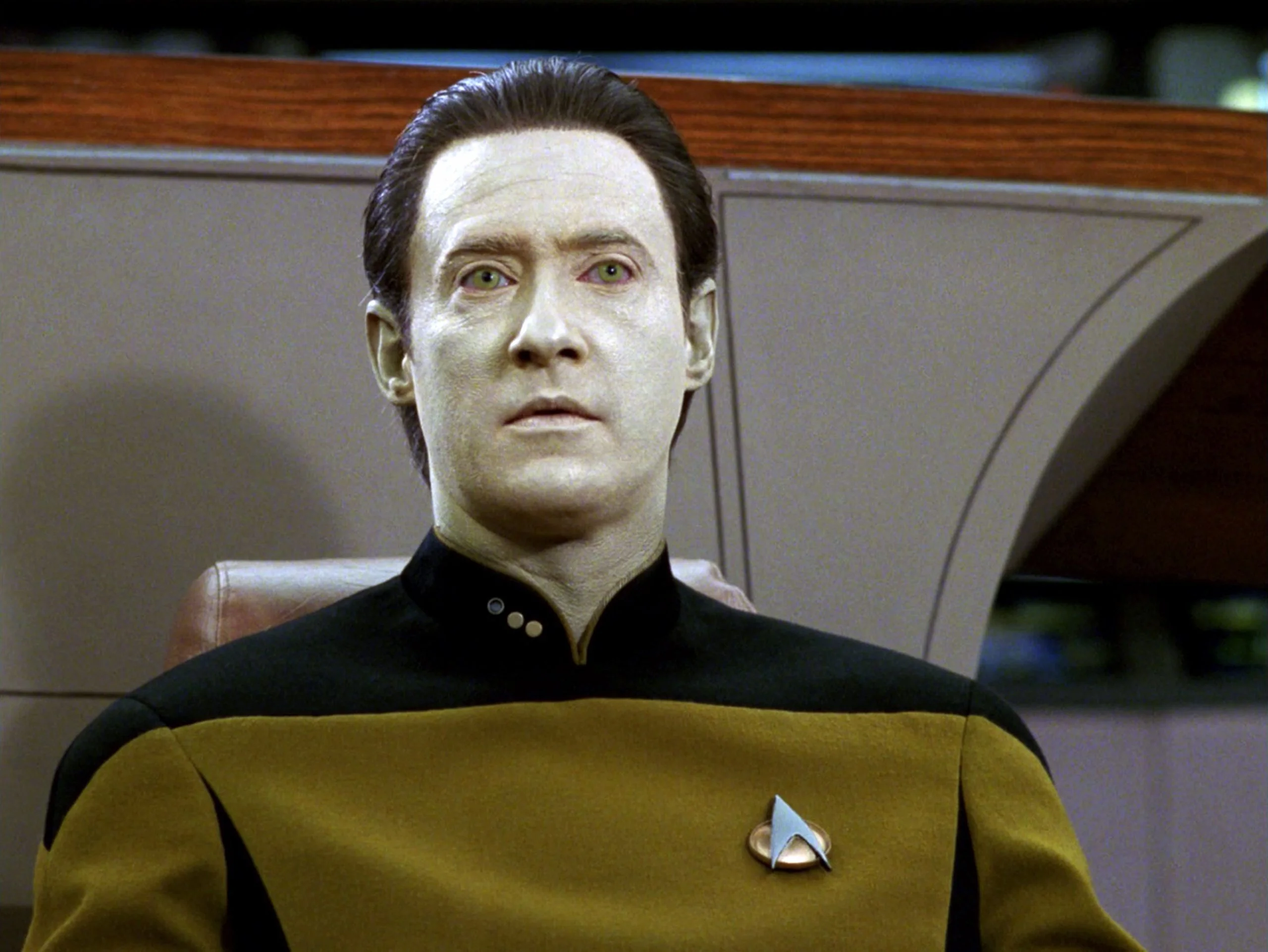
A double-role format would have made the Mirror Universe premise visible in the cast itself. Viewers could have compared familiar performers in altered parts, while the time travel element offered a way to bring different periods of the franchise into the same story. That’s an appealing setup for a long-running series: recognisable faces provide continuity, and alternate identities create room to change the relationships audiences already know. The trade-off is practical as well as creative. A large returning cast can make a reunion feel substantial, but it also puts more pressure on a film’s budget and on the script to give each character a reason to be there.
Spiner said executives ultimately “didn’t want to do it,” with Nemesis’s poor box office performance ending the sequel’s chances. The film, released in 2002, was the last feature starring The Next Generation cast before the franchise took a different route. A weak theatrical result can change how a studio weighs another film with the same cast: even a promising concept has to answer the basic question of whether enough people will pay to see it. In this case, the proposed scale and the commercial context worked against each other. This is more significant than it looks: the sequel’s failure wasn’t just a story left untold, but a point where the film franchise’s direction shifted.
Not long after the sequel was shelved, Star Trek moved toward a reboot. J.J. Abrams directed the 2009 film, with Chris Pine as James T. Kirk, Zachary Quinto as Spock and Simon Pegg as Scotty. The movie launched a trilogy that continued with 2013’s Star Trek Into Darkness and 2019’s Star Trek Beyond. The reboot gave the films a new central cast and a fresh entry point, while setting aside the proposed reunion. That meant a different kind of continuity: familiar characters remained, but new actors and a new film series carried them forward. The shift solved one problem, making room for a new cast, but it also closed off the immediate possibility of the ensemble story Spiner described.
View Green Video on the source websiteStar Trek’s story continued on television
The reboot changed the film cast, while television continued to build on the franchise’s existing characters and history. Star Trek: Discovery arrived in 2017, followed by six further spin-offs: three live-action series, two animated shows and one short-form series. Among them are Star Trek: Picard, which debuted in 2020, and Star Trek: Strange New Worlds, which followed in 2022.
That spread across television formats shows how the franchise found room for several approaches at once. A series can stay with established characters, as Picard did, or focus on a different period and crew, as Strange New Worlds does. The format also gives stories more time to develop than a feature film typically can, though it asks viewers to follow a longer commitment. If you're working in this space, the contrast is instructive: a crowded ensemble concept may be difficult to compress into one expensive film, while television can distribute character and world-building across episodes and separate series. The two formats serve different purposes, and the franchise’s television output gave it more than one way to continue.
Star Trek: Starfleet Academy, about cadets preparing to join Starfleet, launched earlier this year. The series is set to end with its second season, scheduled to air next year. Star Trek: Starfleet Academy season 2 will arrive on Paramount+ in March 2027. Its focus on cadets points the story toward people at the start of their careers, rather than a reunion built around a familiar veteran cast. That gives the series a different way to connect with the franchise’s central institution. It’s still a story about Starfleet, but its characters enter that world from a new position.
What the abandoned sequel reveals
Spiner’s account offers a glimpse of a very different path for the franchise: a large ensemble reunion built around alternate versions of its characters. Instead, Star Trek’s next chapter took shape through a new film cast and a growing slate of television series. Here’s the thing: the abandoned idea sounds designed to reward long-time viewers, but its scale may also have made it harder to sell to anyone who wasn’t already invested in the cast and its history. A Mirror Universe crossover could have been a distinctive event. It would also have depended on bringing many familiar performers together and making the double roles meaningful, not merely a visual novelty.
The story’s unrealised status leaves the premise open to imagination, but it doesn’t tell us whether the finished film would have worked. What it does show is the tension behind franchise storytelling: audiences may value continuity and reunions, while studios still have to judge the cost and prospects of a particular production. And yet. Star Trek’s continued television output suggests the franchise didn’t need this one film to keep expanding its range of characters and settings. The sequel that never happened remains a fascinating alternate route, not evidence that it was the better one.
Add Star Trek to your watchlist on the Radio Times: What to Watch app – download now for daily TV recommendations, features and more.
Check out more of our Sci-fi coverage or visit our TV Guide and Streaming Guide to find out what's on. For more TV recommendations and reviews, listen to The Radio Times Podcast.
Discussion
Sign in to join the discussion.