Milestones in U.S. theatre trace the rise of improvisation, independent stages and plays that reshaped American drama.
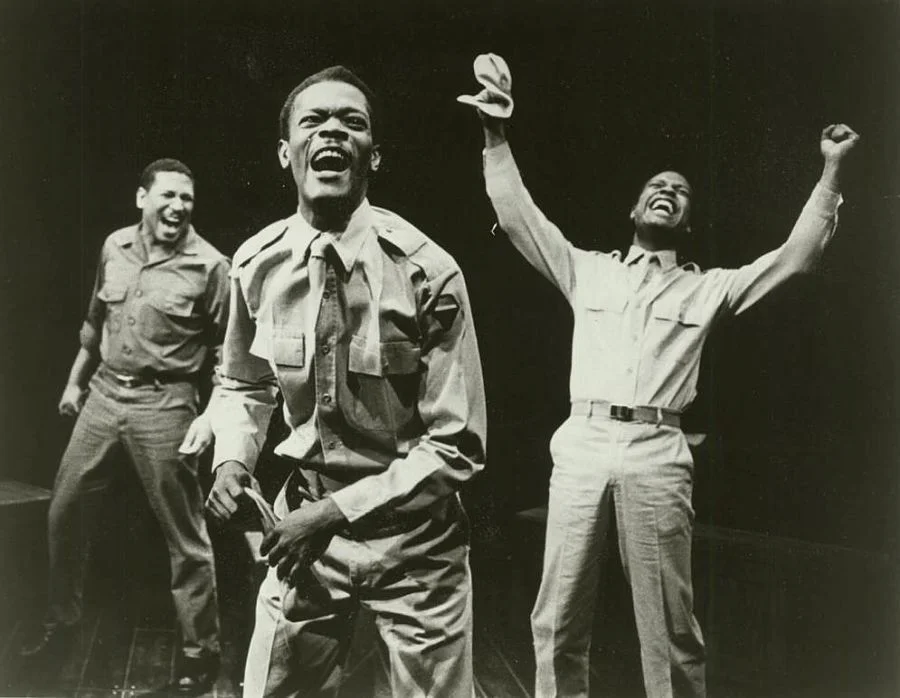
American theatre’s history turns on more than landmark productions. The institutions and teaching methods behind them helped define what could be staged, who could learn the craft and how American plays reached audiences. A Philadelphia playhouse, Viola Spolin’s theatre games, the Provincetown Players and Charles Fuller’s A Soldier’s Play mark four distinct shifts.
A stage takes root in Philadelphia
Southwark Theatre opened in Philadelphia in 1766 as the first purpose-built theatre in the English colonies. The following spring, it presented The Prince of Parthia, a tragedy by Thomas Godfrey and the first play by an American playwright.
Theatre faced a sharp reversal during the Revolution, when the Continental Congress banned performances alongside gambling and horseracing, regarding them as signs of British decadence. British troops mounted amateur shows at Southwark while occupying Philadelphia. In the 1780s, performances gradually returned under labels such as lectures and exhibitions, which helped skirt the restrictions.
The building served as a theatre until 1821, then became a distillery. It was demolished in 1912. Its history captures the uneven establishment of theatre in the colonies: a city could sustain a dedicated venue, but performance remained vulnerable to political pressure and shifting public attitudes.
Viola Spolin makes play a method
Born in Chicago in 1906 to Russian Jewish immigrant parents, Viola Spolin developed theatre games that shaped modern improvisation. Her first training was in social work, where she used play-based techniques to help immigrant children adjust to life in the United States. After the birth of her son, Paul Sills, she turned to acting and studied drama at DePaul University’s night school.
During the 1930s, Spolin built a reputation for creative drama with young people. At Hull House, she ran workshops and worked toward a more formal approach to theatre education that retained the value of play. She moved to Hollywood in 1948 and established the Young Actors Company, which combined training with professional performance.
Her influence later extended to Chicago’s emerging improv scene. When Sills founded the Compass, described as the first modern improvisational theatre company, he brought Spolin in to lead workshops. Sills co-founded the Second City in 1959, where Spolin again directed training. Her 1963 book, Improvisation for the Theater, became a major reference for practitioners. She continued teaching and collaborating with Sills into her 80s, wrote several more books and died in Los Angeles in 1994.
Independent theatre finds its voice
Two 1916 developments show how the Little Theatre Movement pushed beyond commercial theatre’s reach. That year, Theatre Arts Magazine published its first issue, aimed at both theatre professionals and spectators. Its foreword closed with a wry promise: “P.S. – We intend not to be swallowed by the movies.”
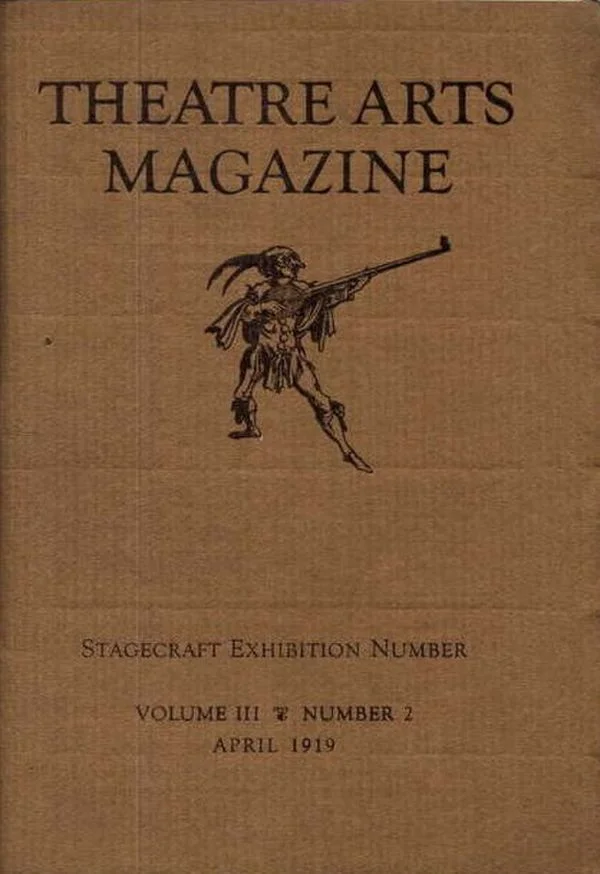
Edited by author, art historian and critic Sheldon Cheney, the quarterly had backing from the Detroit Society of Arts and Crafts. Cheney moved it to New York in 1917 and remained editor through 1921. The title became Theatre Arts Monthly in 1924, then Theatre Arts in 1939; publication ended in 1964.
Cheney’s 1929 book The Theatre: 3000 Years of Drama, Acting and Stagecraft, revised in 1952, was the first comprehensive history of theatre written in English. His writing influenced figures including Eugene O’Neill and scenic designer Robert Edmund Jones.
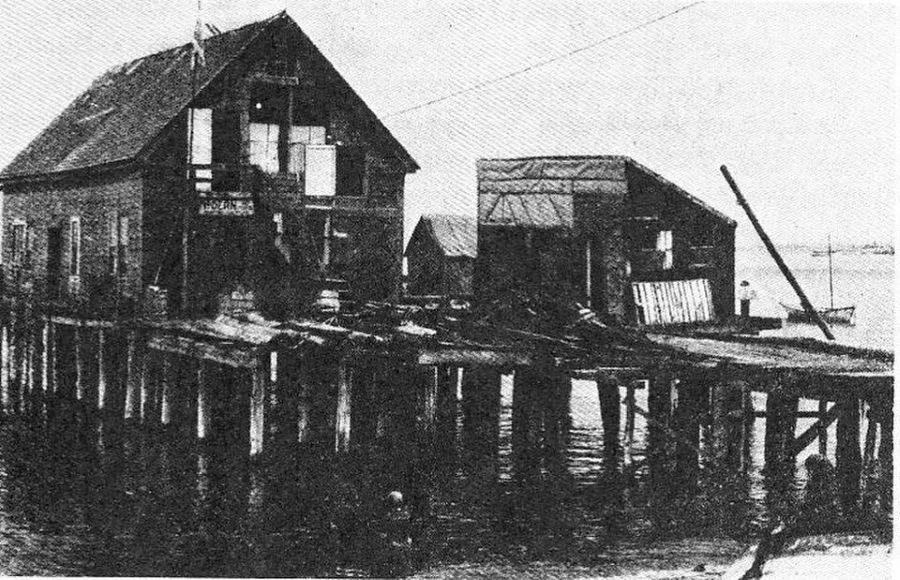
O’Neill made his New York debut the same year. The Provincetown Players, founded in Massachusetts in 1915, staged his first one-act play, Bound East for Cardiff, at a new Greenwich Village theatre. The company became a leading force in the Little Theatre Movement and in the development of American plays.
Playwright Susan Glaspell, later a Pulitzer Prize winner, was among its founders; O’Neill joined in 1916. Poet Edna St. Vincent Millay joined as an actor the next year, and the company staged her one-act The Princess Marries the Page in 1918. The Players continued in New York through 1922 and disbanded officially in 1923. Nearly four decades after Bound East for Cardiff opened there, O’Neill’s posthumous Long Day’s Journey Into Night premiered on Broadway.
A Soldier’s Play puts race and military life onstage
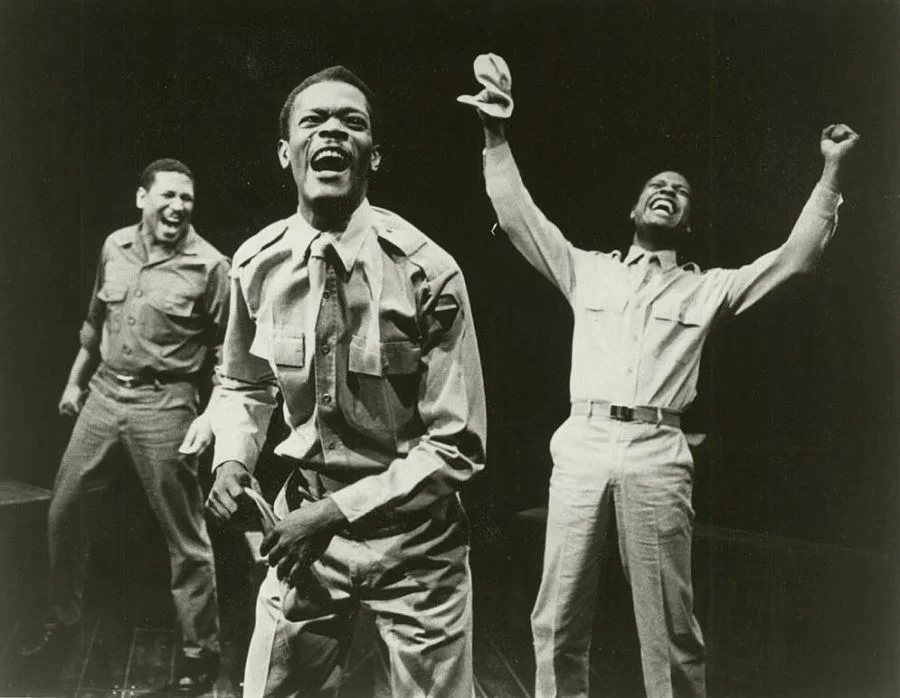
Charles Fuller’s A Soldier’s Play premiered at the Negro Ensemble Company in 1981. Set at a segregated army camp in Louisiana in 1944, the murder mystery follows the investigation of a Black sergeant’s killing. Its original production starred Denzel Washington and Samuel L. Jackson. Washington returned to the role in the 1984 film adaptation, A Soldier’s Story, which Fuller also wrote.
The play won the Pulitzer Prize for drama in 1982. A U.S. Army veteran and prolific writer, Fuller returned to military settings in several works to examine human relationships in a society shaped by race. His other notable plays include The Brownsville Raid, One Night… and Zooman and the Sign. Fuller died in 2022.
Across these milestones, theatre’s reach grew through experimentation: a permanent stage, a teachable practice of improvisation, independent companies and plays willing to confront the structures shaping American life.

Discussion
Sign in to join the discussion.