A slow climb, a viral dance and an ’80s disco sample helped Lizzo’s “About Damn Time” become an impeccably crafted hit.
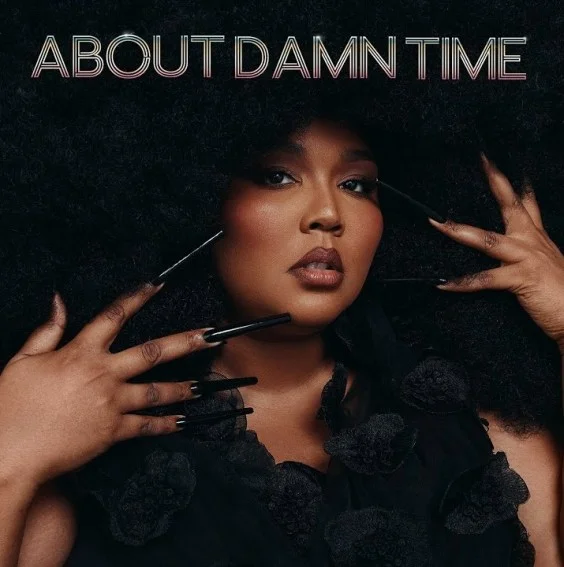
“About Damn Time” was Lizzo’s most complete hit—and a high-water mark
Lizzo’s second No. 1 lasted just two weeks, but its short run captures the tension at the center of her career: she made an impeccably engineered burst of uplift just as the public image behind that uplift was becoming harder to sustain. The backlash arrived later. About a year after “About Damn Time” topped the chart, three former backup dancers sued Lizzo, alleging sexual harassment and a hostile work environment, among other claims. Lizzo denied the allegations. The lawsuits remain in the legal system, and the accusations cut sharply against the generous, self-affirming persona she’d built. Her chart momentum faded too. The allegations are not the only possible explanation, but they made the gap between the brand and the person impossible to ignore. That makes the song’s success more revealing than a simple tale of a TikTok dance turning into a hit. Lizzo had spent years becoming a symbol of a sunny, corporate-friendly kind of self-acceptance. For a while, her success seemed to promise that a large Black woman could celebrate the traits the world had used against her and still become a mainstream star. That optimism was real; so was its fragility. And a relentlessly cheerful sound can wear thin even without a scandal attached. The song’s climb was anything but instant. Released in April 2022, “About Damn Time” entered the Hot 100 at No. 50 and took months to reach the top. A dance created by choreographer and influencer Jaeden Gomez helped push it across the line, with Lizzo amplifying the trend. Radio followed, bringing younger and older listeners together for a brief stretch. As [Chris Molanphy wrote at the time](https://slate.com/culture/2022/07/lizzo-about-damn-time-number-1-how-did-it-get-there.html), that pairing helped turn a slow climb into a rare cross-generational hit. There was a lot of work behind the song’s breezy finish. Lizzo had been making *Special* with longtime collaborators Ricky Reed and Theron Thomas, along with producer Blake Slatkin. After months of work, someone—Slatkin doesn’t identify who—suggested they try one more song. Reed heard Slatkin playing a few piano chords and recognized a promising idea. The resulting track borrowed its melody and groove from “Hey DJ,” the 1984 roller-disco song by the World’s Famous Supreme Team. Mariah Carey had sampled that same song for her 1997 No. 1 “Honey,” and all four “Hey DJ” songwriters, including Malcolm McLaren, received credits on “About Damn Time.” Lizzo and Slatkin have said she wasn’t eager to come to the studio until she knew they had a hit. When they played her the track over FaceTime, she said she’d arrive in ten minutes. It’s an unusual story to tell about a pop star, though it may simply reflect how ready she was to finish the album. Once there, she wrote the hook and verses; Slatkin says he ran around the studio when she found the stop-start rhythm of the second verse. Then the team kept refining the track. Slatkin estimated that they held roughly 30 sessions, adding horns, guitars and contributions from jazz-funk musician Terrace Martin. Slap bass and bright, xylophone-like accents give the arrangement a firm physical pulse beneath all the gloss. Lizzo sings with a smile in her voice, works her flute into the track and chants through its most recognizable rhythmic passage. The song sounds like her persona distilled: a chain of buoyant hooks, all moving toward another burst of encouragement. That formula is also the song’s limitation. Lines such as “It’s bad bitch o’clock” and “I’m way too fine to be this stressed” can sound more like ad copy than hard-won insight. *Special* leaned heavily on the same plainspoken self-love message, often repeating it without much wit or ambiguity. Its interpolations—Coldplay’s “Yellow,” the Beastie Boys’ “Girls” and Lauryn Hill’s [“Doo Wop (That Thing)”](https://stereogum.com/2190677/the-number-ones-lauryn-hills-doo-wop-that-thing/columns/the-number-ones)—were equally direct. A spoken interlude even has Lizzo explain that the album’s message is what she and the whole world need to hear. The conviction is clear. The subtlety isn’t. “About Damn Time” arrived near the end of a disco-pop revival and shares some of the polished sound Dua Lipa had been making. But the contrast matters: Lipa used those grooves for straightforward pop songs, while Lizzo made them carry therapy-speak slogans. The result is catchy, sometimes irritating, and better built than the lyrics deserve. Lizzo gave the single an extensive promotional push. Its video, directed by Christian Breslauer, turned a support-group meltdown into a solo dance party. She previewed it on *The Late Late Show* and performed it with James Corden; later, she hosted and performed on *Saturday Night Live*. She also described it to Apple Music as a song that could speak to feeling better after the pandemic and to the swearing-in of Ketanji Brown Jackson as the first Black woman on the Supreme Court. None of that made the song an immediate smash. The TikTok dance supplied the spark; radio then widened its reach. “About Damn Time” eventually knocked Harry Styles’ [“As It Was”](https://stereogum.com/2512244/the-number-ones-harry-styles-as-it-was/columns/the-number-ones) from No. 1, and Styles sent Lizzo flowers to congratulate her. But the victory lasted only two weeks. “As It Was” returned to the summit in September, while “About Damn Time” remained in the top 10 until October and spent most of a year on the Hot 100. *Special* debuted at No. 2 but produced no other major hit. “2 Be Loved (Am I Ready),” a *Flashdance* soundtrack pastiche, peaked at No. 55. Lizzo won Record of the Year at the 2023 Grammys for “About Damn Time,” then her former dancers filed their lawsuit later that year. She denied the claims and wrote, “I’m hurt but I will not let the good work I’ve done in the world be overshadowed by this.” After further allegations, she posted that she was tired of the negative attention and wrote, “I didn’t sign up for this shit — I QUIT.” She didn’t leave music, but her chart presence dwindled. A 2023 remix of “Special” featuring SZA peaked at No. 52; a later Cardi B track with Lizzo singing the hook from 4 Non Blondes’ “What’s Up?” reached No. 63. The song is still a useful measure of Lizzo at her commercial peak: all the bounce, confidence and high-gloss craft that made her easy to root for, alongside the limits of a persona built on perpetual sunshine. It’s not hard to hear why the record became a hit. It’s harder to believe that brightness could last forever.Lizzo’s decline is unusually stark. After “Pink,” her contribution to the Barbie soundtrack, failed to chart, the singles meant to launch a follow-up to Special also went nowhere. A rap-focused mixtape, My Face Hurts From Smiling, didn’t revive her fortunes. Then Bitch arrived: none of its singles reached the Hot 100, and the album missed the Billboard 200 entirely. Lizzo blamed streaming algorithms before its release, calling them “racist & fat phobic.”
That’s a brutal reversal for a performer whose rise once felt like an unlikely pop triumph. Chart watchers online now treat each setback as an occasion for ridicule, and Lizzo makes an easy target. She may have a point about the systems shaping who gets heard. But she also deserves the room other stars get to stumble, regroup, and try again. I’m not convinced she’ll win that grace—or that I’m eager to see her prove the skeptics wrong.
Macklemore offers a telling comparison. His short stretch of ubiquitous, viral pop-rap hits ended, and his chart career seemed over. He’s back in public view now because he has taken a stand for a free Palestine, a position he says has cost him money and led to his removal from an Ed Sheeran stadium tour. The effort to silence him has made him a more sympathetic figure. Whatever you think of his music, he has attached his name to a cause.
Lizzo has attached hers to a different argument: that she should be allowed to return to pop stardom. That case is harder to rally around. Complaints that people don’t respect her achievements haven’t given even skeptics a compelling reason to admire her. Maybe a comeback is still possible. Maybe it would take a few more nights when the country feels newly open to transformation.
GRADE: 5/10
BONUS BEATS: The 2023 Apple TV+ film The Family Plan ends with the family singing “About Damn Time”—except for Mark Wahlberg, who plays the dad and has previously been a Number Ones artist. He stays above it all. Here’s the scene:
BONUS BONUS BEATS: Kelly Clarkson has appeared in this column before. Her recent public-image troubles involving automated birds are too new to have come up in those installments. Here she performs “About Damn Time” with Lizzo on a 2025 episode of her talk show.
THE 10S: Kate Bush’s “Running Up That Hill” first became her biggest Hot 100 hit when it peaked at No. 30 in 1985. Its later chart run was on another scale: after becoming a major plot point in Netflix’s Stranger Things in 2022, the song surged to No. 3 globally, behind “About Damn Time.” I’d trade places with Lizzo for the chance to write about Bush here; I did get to cover her in an Alternative Number Ones column. “Running Up That Hill” earns an obvious 10.
The Number Ones: Twenty Chart-Topping Hits That Reveal The History Of Pop Music is available from Hachette Books. The book is out now.


Discussion
Sign in to join the discussion.