After playing Vera in 2006, Roslyn Ruff returns to Seven Guitars as Louise, bringing years of history with August Wilson’s characters to the role.
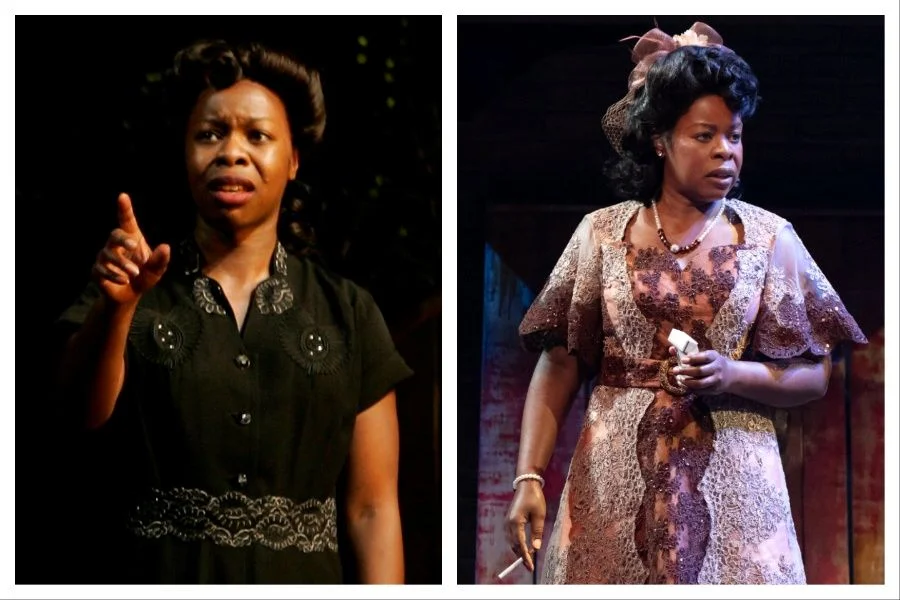
Roslyn Ruff’s return to August Wilson’s Seven Guitars turns a familiar role into a study of time. In the 2006 Signature Theatre revival, she played Vera, the young woman left behind by musician Floyd “Schoolboy” Barton. In Lincoln Center Theater’s 2026 revival, she plays Louise, Vera’s older landlady and confidante. Ruff has crossed a generation within the same play, and her performance gives that change a personal weight.
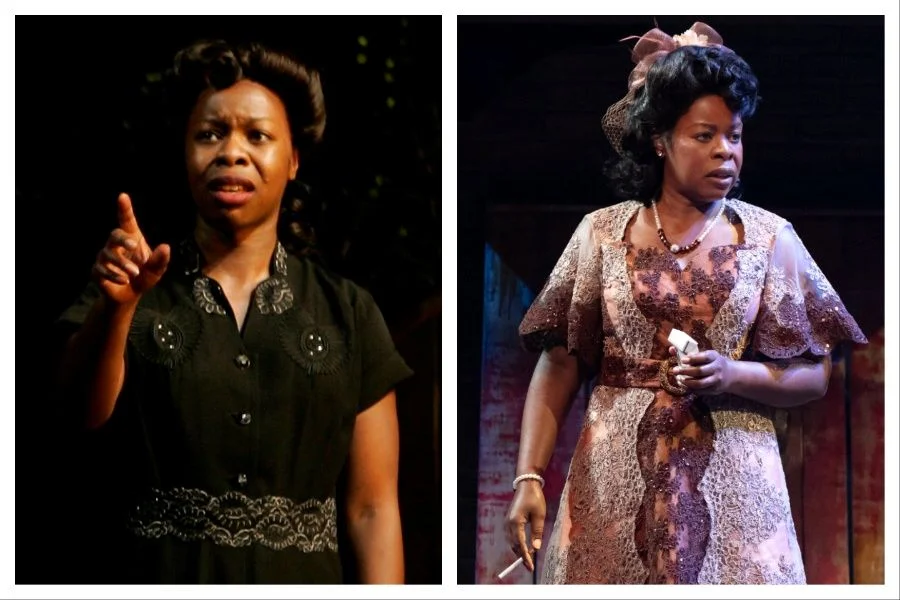
Louise’s skepticism is part of the role’s force. She watches youthful certainty and masculine bravado with a sharpness that can make a pause feel like a verdict. Ruff’s expressive face has long been one of her tools for making such judgments legible. She says she first understood how much her expressions could tell an audience during her formative years at Buffalo’s Ujima Company.
A face that speaks before the line
After one rehearsal, Ujima founder Lorna C. Hill asked the company whether everyone understood her notes. The room stayed quiet. Hill then told the group she would look to Ruff to find out: “Her face will tell me everything I need to know.” Ruff remembers the moment as the first time she recognized that her expressions were doing their own storytelling.
That quality serves Louise particularly well in this revival. The character has lived through disappointment and has built defenses around it. Ruff doesn’t need to underline every observation; a look can register disbelief, caution or reluctant amusement before Louise speaks. Her work in Fairview and the title role in X, or Betty Shabazz vs. the Nation showed a different range of that expressiveness, moving from Jasmine’s anxious wit to a widow’s burdened composure. In Seven Guitars, it helps make Louise’s guardedness feel earned.
Ruff’s casting also changes how the play’s women speak to one another. Vera and Louise are separated by age and experience, but they share a world in which men’s departures leave lasting marks. Ruff once voiced Vera’s hurt; now she gives the older woman the authority to interpret that pain from the other side of it.
Returning to a play with history
The first Seven Guitars was Ruff’s first major Off-Broadway production, her second collaboration with director Ruben Santiago-Hudson, and her second August Wilson play. She had worked with Santiago-Hudson on Gem of the Ocean at McCarter Theatre Center. Santiago-Hudson returns to direct this revival; he also played Canewell in the 1996 Broadway production, earning a Tony Award for the role.
The 2006 company remains close in Ruff’s memory, but many people from that production have since died, including actors Lance Reddick and Charles Weldon and Signature artistic director Jim Houghton. Ruff describes the return as bittersweet. She remains close with Brenda Pressley, who played Louise in 2006, and carries a vivid memory of Reddick, who played Schoolboy.
Before performances, Reddick would sing “Bésame Mucho” in his dressing room. Ruff quietly made the song part of her own preshow routine, though he didn’t know it. One night, as places approached and the familiar singing hadn’t started, she went to his dressing room and asked for it. Reddick closed the door, sang, and made the ritual a nightly fixture. The story captures the private bonds that can form around a production, and the small traditions that survive in an actor’s memory long after the run ends.
Moving from Vera to Louise was never part of Ruff’s plan. She says the invitation came as a surprise, and that meeting the play again through Louise’s perspective has been both humbling and satisfying. The role offers a rare chance to revisit a piece of work from a new point in life, with the earlier performance still present but no longer the center of the story.
Wilson’s women and the weight of memory
Set in a Pittsburgh backyard in 1948, Seven Guitars gives Vera one of Wilson’s best-known speeches: a direct account of the pain Schoolboy caused when he left her for another woman. “It wasn’t nothing to you but it was something to me,” she tells him, describing the empty bed and room he left behind. The words make clear that what he treated as a departure became a lasting rupture for her.
Louise offers a different reckoning. Speaking about her former partner Henry, she recalls that his leaving felt like a release from the fear of being abandoned again. In a story that mixes danger, humor and resignation, she remembers asking him to leave his pistol. He hands it over; she tells him she ought to shoot him, and they laugh before he kisses her goodbye. The pistol remains upstairs. Her advice to Vera is blunt: “Don’t let no man use you up and then talk about he gotta go.”
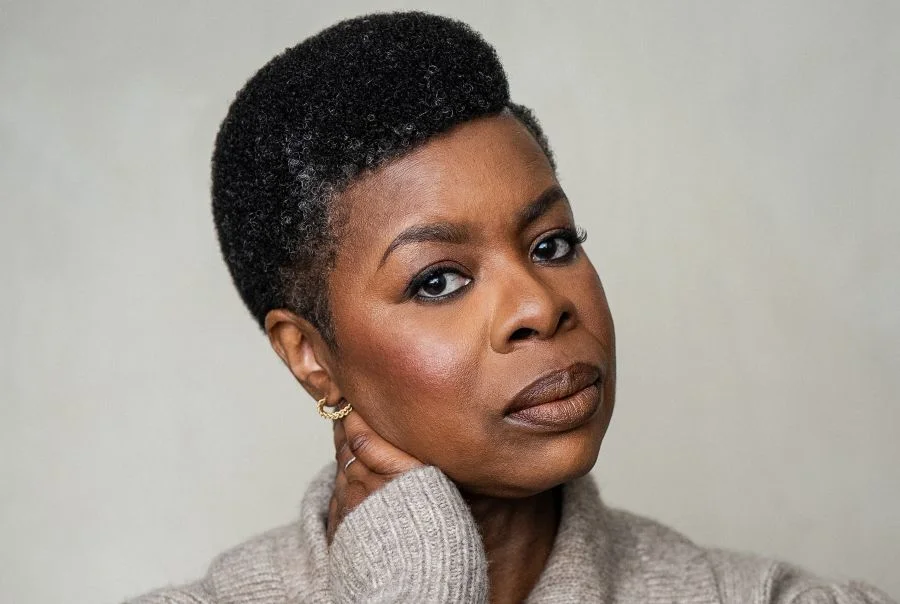
Wilson’s plays are often built around men, but the women carry their own histories and make their own claims on the future. Berniece in The Piano Lesson, Rose in Fences and Aunt Ester in Gem of the Ocean are among the memorable women who hold those stories. Ruff has played Black Mary in Gem of the Ocean, opposite Michele Shay, who originated Louise on Broadway. She says the work matters because she recognizes its people and feels she can honor her ancestors through them.
That connection has reached beyond the stage. When Ruff’s father and aunt saw her in a regional production of The Piano Lesson, they told her she reminded them of their grandmother. Her mother’s response was simpler: “Can I come again?” Such reactions suggest how Wilson’s characters can make family history visible in performance, even when the audience has never met the actor’s relatives.
A familiar room, a changed role
Ruff says returning to Wilson’s writing feels like coming home, and she credits Santiago-Hudson with creating a welcoming company around the production. She describes his approach as bringing the whole theater into the work, from the creative team to the box office and facilities staff. Only Ruff and Santiago-Hudson return from the 2006 production, but several cast relationships give her a sense of continuity.
This is her third time working with John Douglas Thompson, who plays King Hedley. She has also worked with Russell Hornsby, who plays Floyd, and Daniel J. Watts, who plays Canewell. That familiarity, she says, brings an ease and playfulness to rehearsals. It gives the cast room to take risks with a play that is already emotionally rich and historically important to Ruff.
She is open to another Wilson role that would mark a new stage in her relationship with the playwright’s work: Aunt Ester. The prospect frightens her, which is part of its appeal. Ruff says she would like to try the role someday. For now, Louise gives her a way to return to Seven Guitars with decades of craft and a different sense of what the play’s women have survived. Her shift from Vera to Louise makes the revival’s central passage of time visible in one actor’s body and voice.

Discussion
Sign in to join the discussion.