The Vision and Challenges Behind Kizumonogatari's Unique Animated Production
Published Mar 08, 2021Reads 334By kViN
Discover how Michiya Kato and his team blended hand-drawn and CGI techniques to overcome challenges in creating the visually stunning *Kizumonogatari*.
Insights from Michiya Kato on Kizumonogatari's Ambitious Journey
When you look at *Kizumonogatari*, it’s hard to miss the monumental effort put into its production. In a recent interview that sheds light on this, VFX supervisor and eventual cinematographer Michiya Kato shared his thoughts on what it took to bring such a visually unique project to life. The sheer volume of work was staggering, but it was the combination of high ambition and innovative techniques that defined the production. Kato’s insights reveal the extraordinary challenges and creative decisions behind every frame of the film.
Collaborating with Vision
The journey began around the summer of 2014 when producer Takao Yukinaga approached Kato with an extraordinary question: could animated backdrops rival live-action quality? With renowned director Tatsuya Oishi’s vision in mind, the discussions quickly escalated to the staggering reality of over 4,000 storyboard cuts. What might seem like a mere number on the surface masks a deeper complexity; this magnitude is more akin to a full-scale theatrical feature than your typical animated film.
Kato recalls the initial shock he felt upon receiving the thick stack of storyboards. The scale was unprecedented, pushing the boundaries of anime production. With Oishi intent on making something truly special, Kato and Yukinaga wrestled with feasibility—could they assemble a team capable of meeting such high standards?
A Passionate Yet Challenging Task
One standout point from Kato's discussion was the palpable energy infused into the storyboards. Unlike standard projects that often feel sterile, every storyboard page reflected a raw passion and uniqueness that Kato found compelling. Yet, he noticed a significant contrast: the intimate touch of hand-drawn animation clashed with the sterile, mechanical nature of computer-generated imagery (CGI). That contrast, rather than discouraging him, ultimately drew Kato in, compelling him to join the project and strive for a synthesis of styles.
Throughout the project's evolution, collaboration was the key. Kato emphasized the unique setup where 2D and 3D teams worked side by side, which is often a challenge in anime. This close-knit cooperation not only helped maintain creative integrity but also ensured that every artist involved felt motivated and invested.
Technical Challenge and Strategy
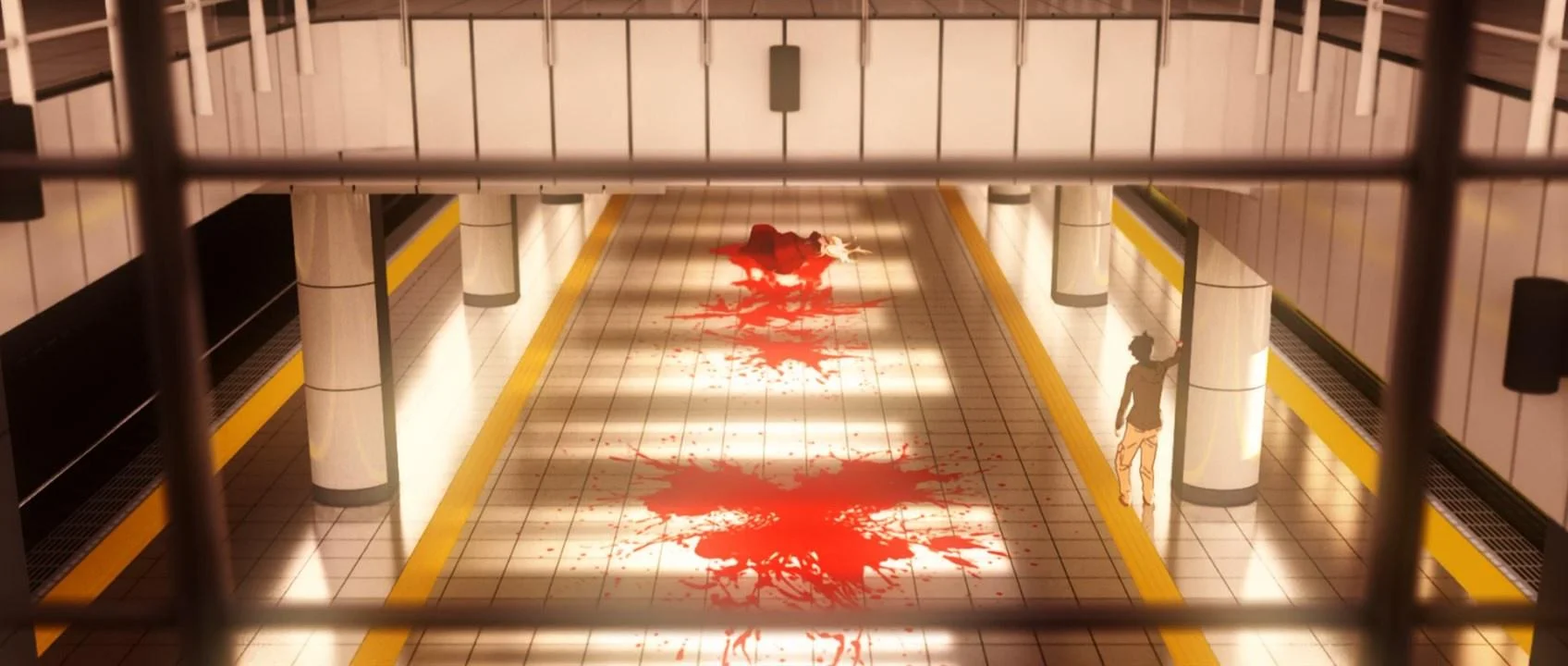
Delving deeper into the technical aspects, Kato faced hurdles that would stretch any production crew. The decision to model ultra-realistic buildings inspired by Kenzo Tange’s designs meant that every detail had to be meticulously crafted to have that "newly built" aesthetic. He realized that the scope of the work would require assistance beyond Japan, involving overseas studios for a significant portion of the modeling effort.
Yet, this reliance on international partners was not merely about brute force; it reflected a strategic choice to balance quality with time constraints. With the added challenge of keeping everything photorealistic—especially given the high demand for CGI in *Kizumonogatari*—Kato had to innovate processes to integrate CG elements without losing the spirit of the story. One of the most significant changes was using pre-visualization techniques, allowing the team to see the CG composites before the animation stage, fostering quicker consensus among everyone involved.
Kato's narrative emphasizes that while the production faced chaos, every day was imbued with a sense of hope and collective purpose. Each member of the team, from the talented CG directors to the compositors, played a pivotal role in aligning Oishi’s vision with practical execution.
Ultimately, Kato's reflections on *Kizumonogatari* reveal far more than behind-the-scenes production tales; they highlight a universal truth in filmmaking—the power that comes from collaboration, creative risk-taking, and a shared dream to create something exceptional. With all its challenges, Kato emerged not just as a contributor but as a testament to the spirit of collaboration that defines true artistry in animated film.
The Takeaway: Reflecting on the Insights of Michiya Kato
As we wrap up our examination of the interview with VFX Supervisor Michiya Kato regarding *Kizumonogatari*, it’s clear we’re not just looking at technical achievements in animation. The insights gleaned from Kato touch upon the broader implications of VFX in storytelling. His reflections challenge us to consider how technology blends with creativity in ways that resonate deeply with audiences.
Kato emphasizes that the success of visual effects lies not merely in their technical complexity but in their ability to elevate narratives. This perspective is significant because it shifts the focus from “how it was done” to “what it accomplishes” on an emotional level. If you're in this industry, that distinction can't be overstated: the next generation of VFX artists and supervisors must prioritize storytelling over mere spectacle.
This conversation also highlights an essential, if not often discussed, theme in the realm of animation: collaboration. Kato’s insights illustrate the necessity of teamwork among animators, directors, and VFX artists to create compelling visuals that support the narrative. This collaborative spirit is a crucial takeaway for anyone looking to break into the industry or those already entrenched in it—it's about thinking collectively as much as thinking creatively.
That said, the art of visual effects isn't without its challenges. Kato’s candid thoughts about the pressures of delivering high-quality work while meeting tight deadlines reveal a tension that's all too familiar in the tech and creative sectors. The data surrounding production timelines often glosses over the human side of the process. It’s not clear how the industry will reconcile these demands with the creative freedom that artists crave, but it’s a conversation worth having as technology progresses.
In concluding this article, remember that Kato's reflections are an invitation to explore deeper connections between technology and art. It’s not just about what’s on screen; it’s about the stories we tell and the lives we touch through our craft. As you consider your next project, think about how every frame can contribute to a larger narrative that resonates powerfully with your audience.


Discussion
Sign in to join the discussion.