Some Star Trek episodes faced bans in the UK due to their sensitive subjects. Here’s a look at these controversial episodes over six decades.
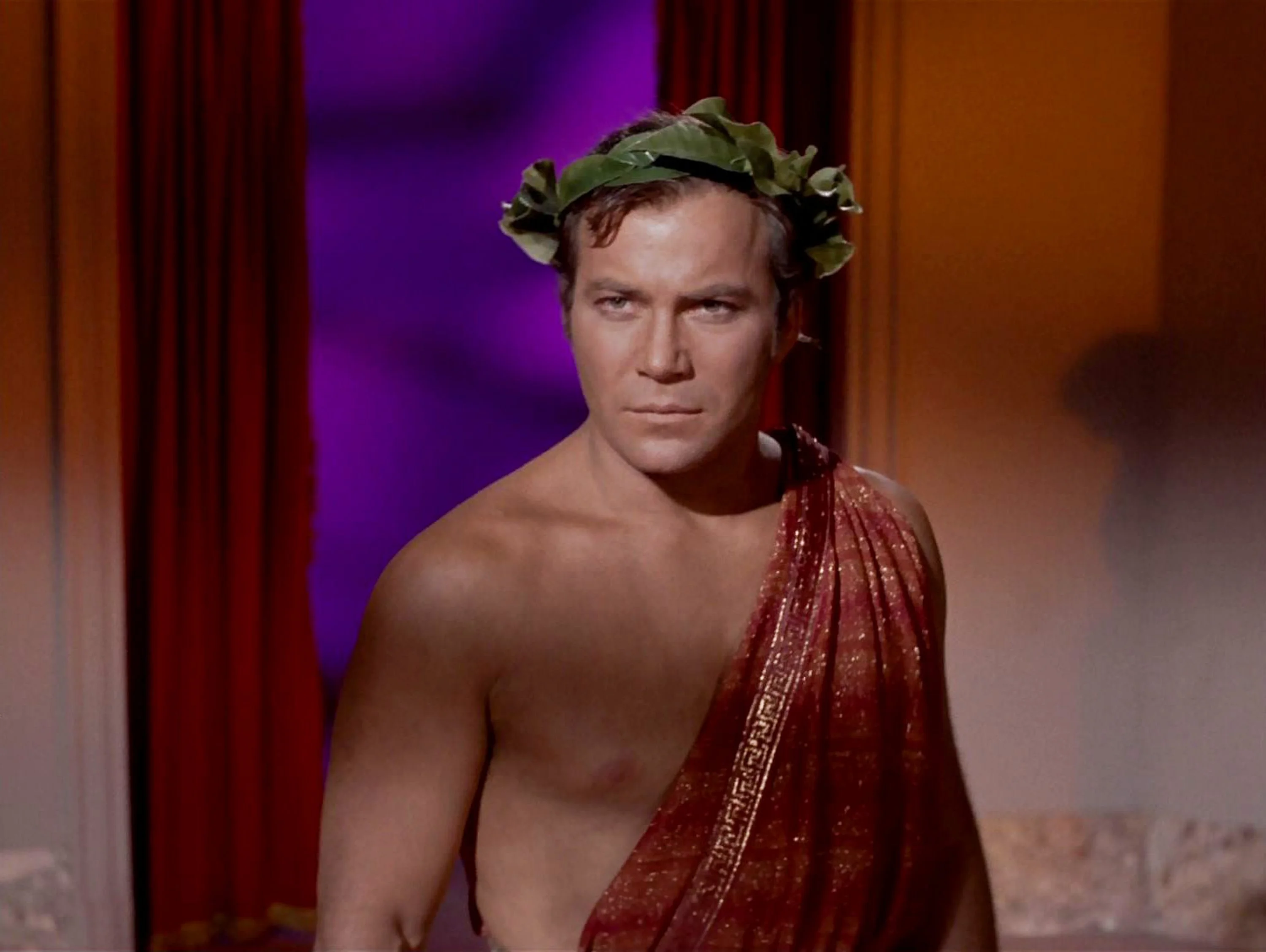
As Star Trek: The Original Series nears its 60th anniversary, its cultural impact remains palpable. However, its journey to British television was riddled with controversies, particularly over the airing of certain episodes. While Gene Roddenberry's series debuted in the US in 1966, its arrival in the UK wasn’t until three years later. This delay coincided with British audiences predominantly watching in black and white, which complicated the show’s vibrant visuals. The BBC, likely wanting to maximize viewer engagement, selected the episode “Where No Man Has Gone Before” for the UK debut, leveraging the excitement surrounding the Apollo 11 moon landing in July 1969.
However, several episodes of both The Original Series and The Next Generation faced significant censorship long after their American airings. The BBC ultimately banned four key episodes due to their themes dealing with mental distress, cruelty, and disease, deeming them inappropriate for younger viewers. The BBC’s rationale was straightforward: they were concerned that even late-night airings would attract a juvenile audience.
At a 1984 press conference, Roddenberry expressed his discontent with the bans, emphasizing that the themes of suffering and pain should be portrayed responsibly. His stance highlighted a friction between creative expression and broadcast standards.
1. Miri (TOS Season 1, Episode 8)
First aired in the US: October 27, 1966
First aired in Britain: December 2, 1970
This episode, penned by Adrian Spies and directed by Vincent McEveety, presents a chilling scenario where the USS Enterprise crew stumbles upon a plague-ridden replica of Earth. The survivors, initially thought to be children, ultimately reveal that they’ve aged only a month every century, complicating the narrative. The episode drew complaints when it finally aired in Britain, leading to its exclusion from subsequent re-runs in the 1980s. Fan outrage resulted in the eventual lifting of the ban when the series was re-aired in the 1990s.
2. Plato's Stepchildren (TOS Season 3, Episode 10)
First aired in the US: November 22, 1968
First aired in Britain: December 22, 1993
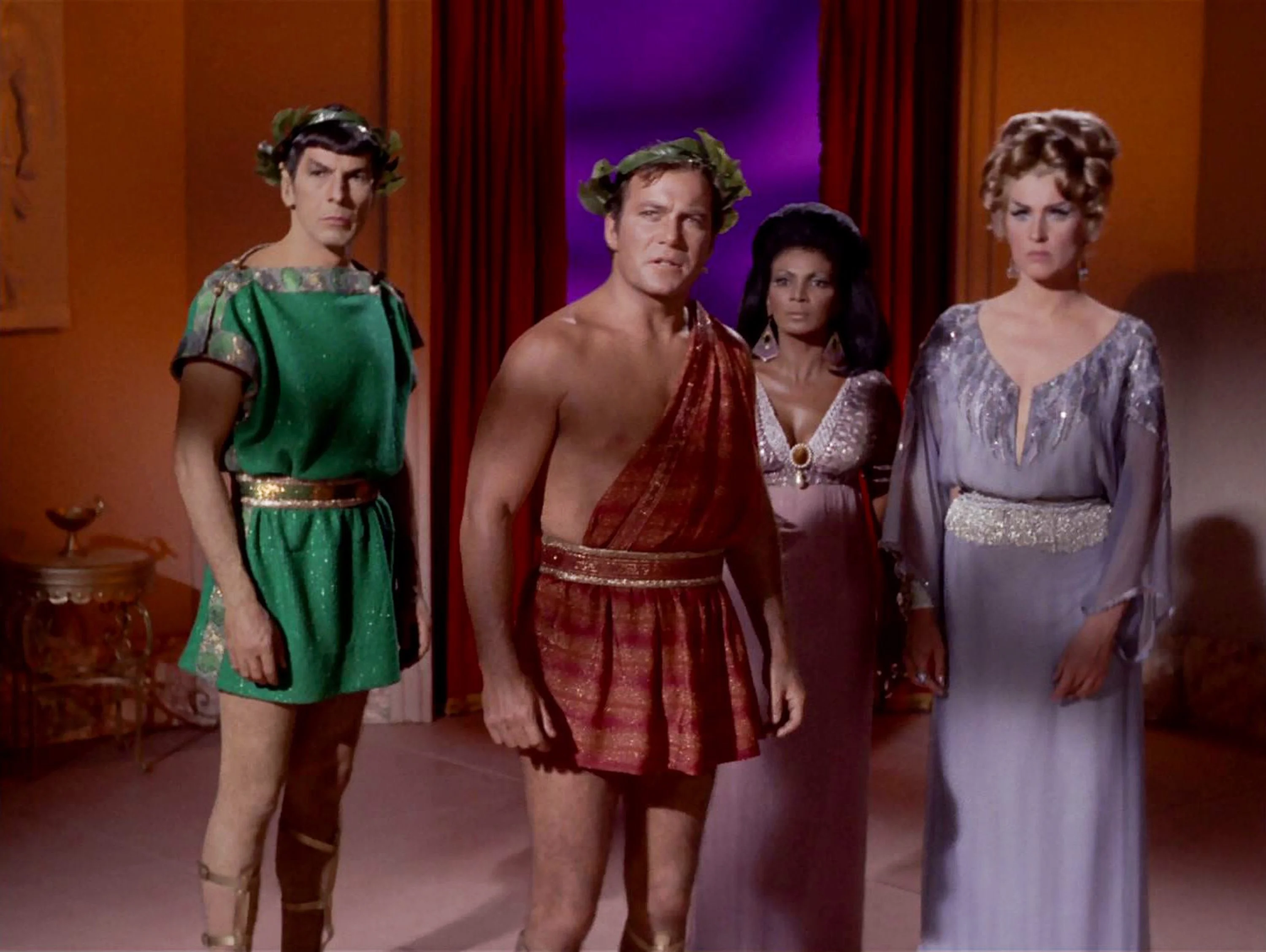
In this episode, the Enterprise crew meets the Platonians—a sadistic race of telekinetic beings. Their cruel actions, including forcing the crew into humiliating performances, triggered the BBC's alarms about content involving sadism and torture. Notably, this episode also features a historic moment: the first interracial kiss on US television, a significant cultural milestone. However, it wasn't until the 1990s that British audiences would finally see it.
3. The Empath (TOS Season 3, Episode 12)
First aired in the US: December 6, 1968
First aired in Britain: January 5, 1994
The Empath tells a harrowing story of psychological torture inflicted by a powerful alien race on the crew of the Enterprise. Encountering the mute empath Gem, the crew members undergo horrifying trials intended to test their worthiness for survival. The unsettling themes in this episode contributed to its ban in the UK until the mid-90s.
4. Whom Gods Destroy (TOS Season 3, Episode 14)
First aired in the US: January 3, 1969
First aired in Britain: January 19, 1994
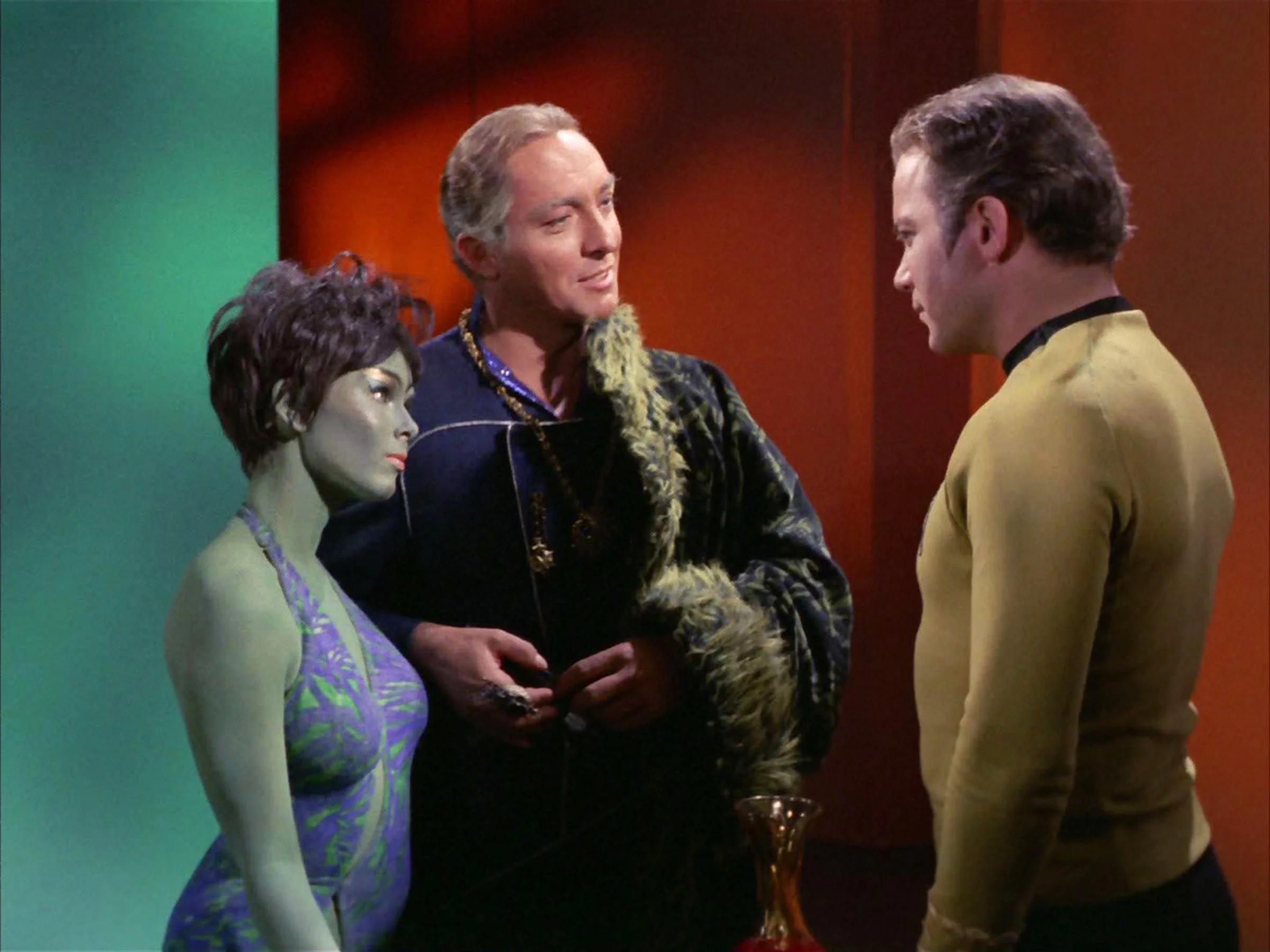
This infamous episode showcases the Enterprise crew's encounter with dangerously unstable inmates in an insane asylum. Elements of sadism and a provocative dance number led the BBC to delay airing the episode for an astonishing 25 years, reflecting the ongoing reluctance to confront its more explicit content.
5. The High Ground (TNG Season 3, Episode 12)
First aired in the US: January 29, 1990
First aired in Britain: May 2006 (on Sky One), September 2007 (on BBC)
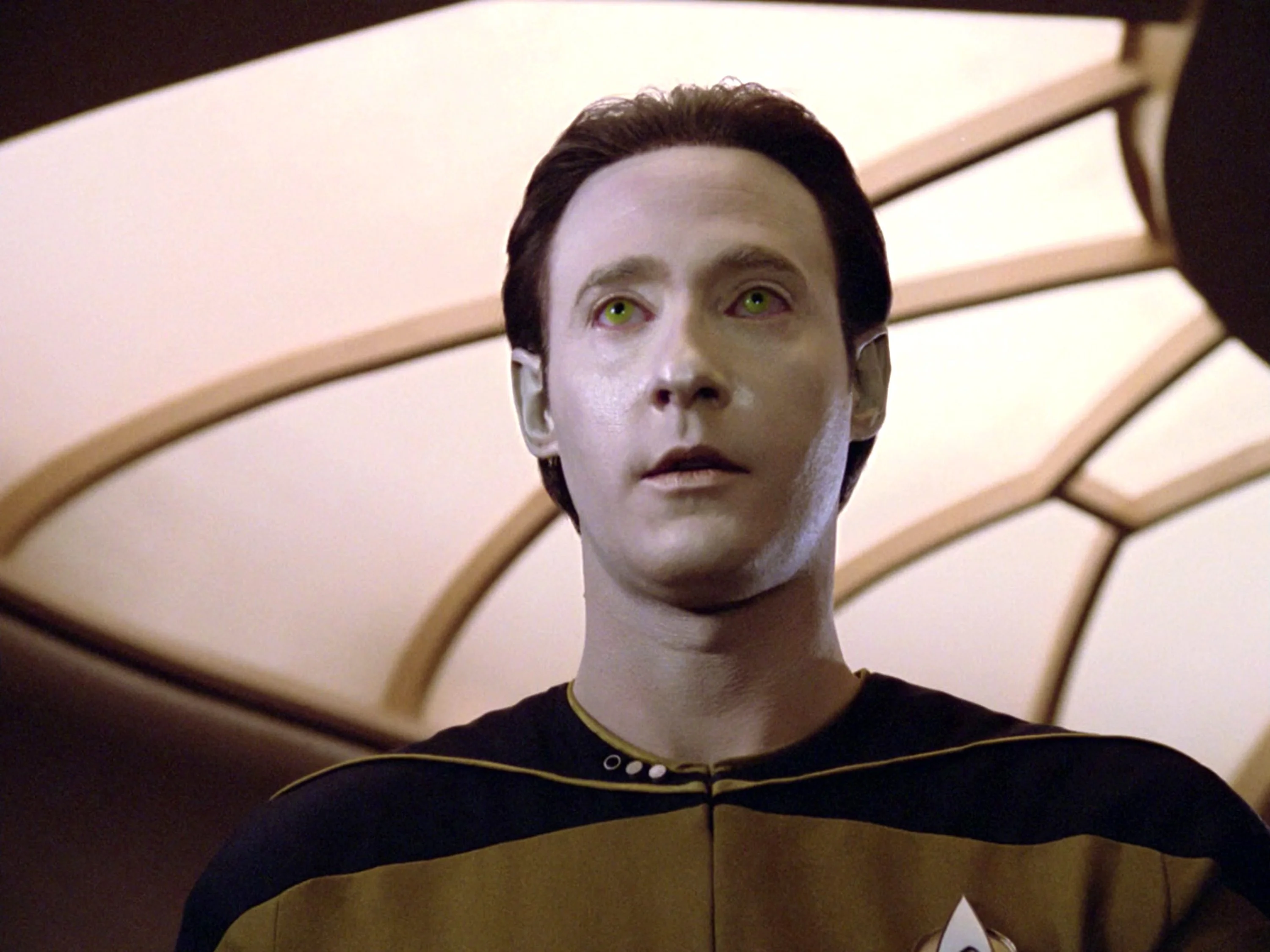
Ultimately, The Next Generation was not exempt from censorship. “The High Ground” faced scrutiny due to its depiction of historical violence correlating with real-world events, specifically referencing the Irish conflict. Journalists noted vagueness around how decisions to ban or delay this episode were made, highlighting the complexities broadcasters navigate when addressing sensitive topics in science fiction storytelling.
These bans from the BBC reflect broader societal hesitations about content exploring difficult themes. The eventual airing of these episodes underscores the shifting cultural landscape, where discussions around madness, violence, and morality might be more openly embraced.

Discussion
Sign in to join the discussion.