The Ambitious 3D Animation Journey Behind Kizumonogatari
Published Mar 15, 2021Reads 732By kViN
Discover how SHAFT navigated the challenges of 3D animation in Kizumonogatari, creating stunning visuals through collaboration and innovation.
Exploring the Ambitious Journey of Kizumonogatari's CG Production
The conversation surrounding Kizumonogatari's production is one of expansive vision meeting the limits of technology and talent. In an enlightening interview with Shinya Takano, the film's CG director, we gain insights into how studio SHAFT navigated the massive undertaking of integrating 3D animation techniques into their work. Takano reflects on how their initial ambitions snowballed — becoming a project too monumental for a single studio to manage effectively.
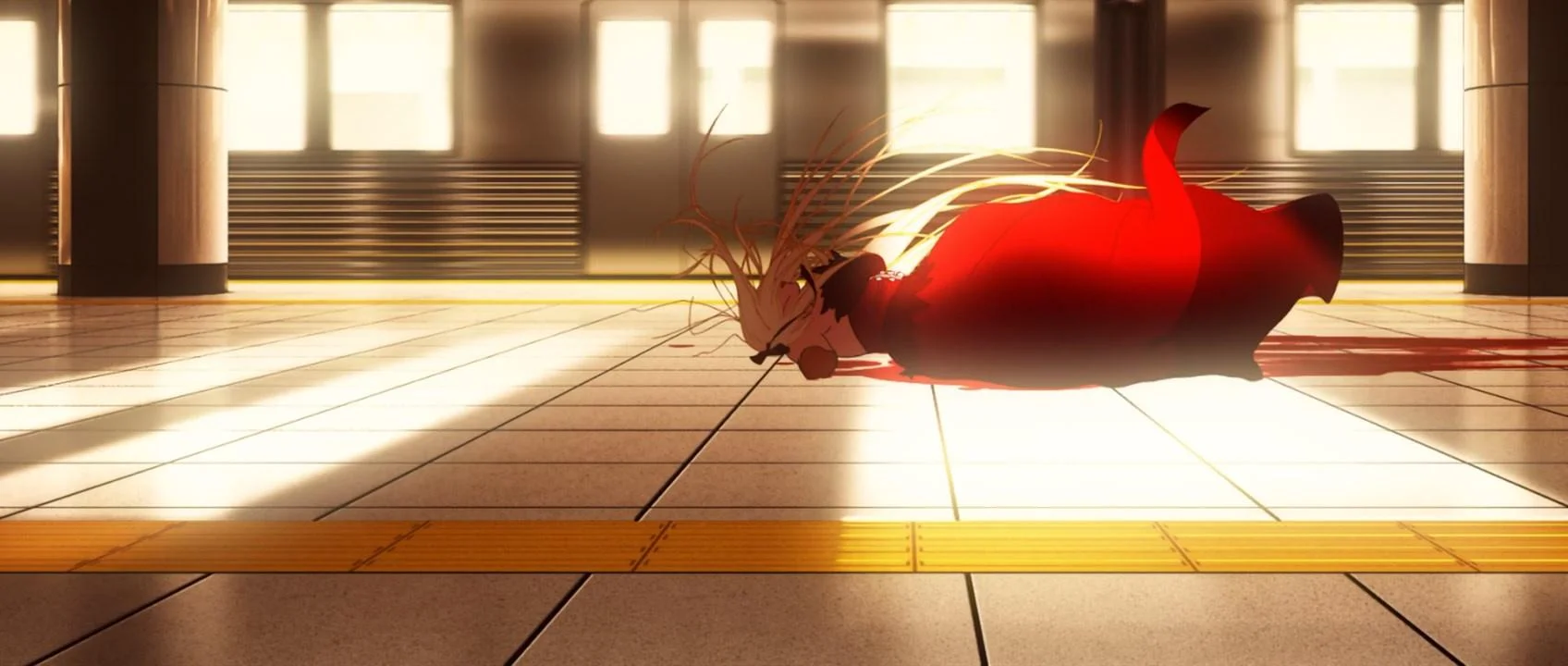
Initially, Takano joined the production team in August 2014, just as SHAFT was finishing up with Hanamonogatari. The groundwork for experimenting with 3D animation had already been laid in previous projects like Madoka Magica, where 3DCG enhanced specific environmental backdrops. This trend wasn’t just a step forward; it symbolized a pivotal shift for SHAFT as they considered creating fully three-dimensional environments for Kizumonogatari.
"It was our first big challenge to use 3DCG extensively," he admits, recalling the transition. The basketball scene in Hanamonogatari, crafted entirely in 3D, served as a trial run that ultimately influenced Kizumonogatari's scope. The studio’s eagerness to explore new territories in animation came with its own set of challenges, particularly the detailed modeling required for intricate settings such as the cram school and the train station. Takano candidly describes the learning curve: "There’s a lot more that goes into modeling buildings than I’d thought.”
Compounding the ambition of this venture was collaborating with Cyclone Graphics, a partnership that was critical for pursuing the high standards expected from Kizumonogatari. According to Takano, the decision to go all-in on 3DCG backgrounds came from recognizing the overwhelming workload and the need for specialized help. "The process required many meetings and discussions, going through over 4000 storyboard cuts one by one," an ordeal that evidently stoked frustrations but also underscored the commitment to quality.
Interestingly, Kizumonogatari’s unique camerawork motivated the extensive use of 3D backgrounds. When animated sequences demand intricate movements, traditional animation can't keep up — sacrificing depth and realism for the simplicity of still images. The depth of detail demanded by this film created an avalanche of work that appeared daunting at first. “We established that 3D backgrounds were essential, though not exclusively necessary,” Takano reflects, acknowledging the delicate balance the project demanded.
As the production unfolded, Takano took on plenty of the groundwork in model creation, although he shares credit for significant pieces of work with Cyclone. The backstory behind the decision to use CG for props, such as the umbrella featured in a tense scene, reveals a shift in thinking: Takano notes the director’s desire for inanimate objects to maintain a rigid authenticity. Takano laughs as he recalls the unexpected ask to render baseballs and shot puts in 3D, even when they’d barely be visible on-screen.
In all, Takano’s reflection on his experience reveals a profound sense of accomplishment borne from a challenging yet rewarding endeavor. With characteristically dry humor, he sums up his feelings: "It was a very intense time...but I can finally look back with a sense that it’s all behind me now."
Anyone with a vested interest in animation will appreciate how Kizumonogatari not only raised the bar for subsequent projects but also showcased the remarkable synergy that can emerge from collaborative effort and shared vision. As Takano emphasizes, the success of this venture was only made possible through the collective hands and creativity of everyone involved, underscoring that even a single vision can grow into something that extends well beyond its origin.
Looking Ahead
As we reflect on the journey of Shinya Takano in crafting *Kizumonogatari*, it's clear that the intersection of technology and creativity remains pivotal in the animation industry. Takano's insights unveil not just the artistic choices made in the film, but a broader narrative about digital animation’s evolution. What stands out is how the latest tools and techniques have not only enhanced visual storytelling but also redefined collaboration within creative teams.
For professionals in the field, this is a reminder that staying attuned to technological advances is essential. If you're involved in animation or related sectors, the impact of these tools on your workflow can't be overstated. The rapid integration of advancements suggests that tomorrow's masterpieces will emerge from an even tighter blend of human creativity and machine capabilities.
Yet, there’s also a cautionary note to consider. The metrics of success in animating today may not mirror those of the past. With audiences becoming more discerning, it’s evident that superficial enhancements won’t suffice. Authentic storytelling, underpinned by solid character development, will always be paramount.
In conclusion, while Takano’s experience is a testament to what’s possible in modern animation, it compels us to ask: Are we ready to push beyond mere technical excellence? The future demands not just skilled hands but also visionary minds. That combination could very well lead to the next viral phenomenon in animation, one that resonates deeply and leaves a lasting mark on audiences.

Discussion
Sign in to join the discussion.