Kevin Costner's *Horizon* draws attention at Cannes, showcasing a female-focused narrative amid mixed festival reviews and bold premiere choices.
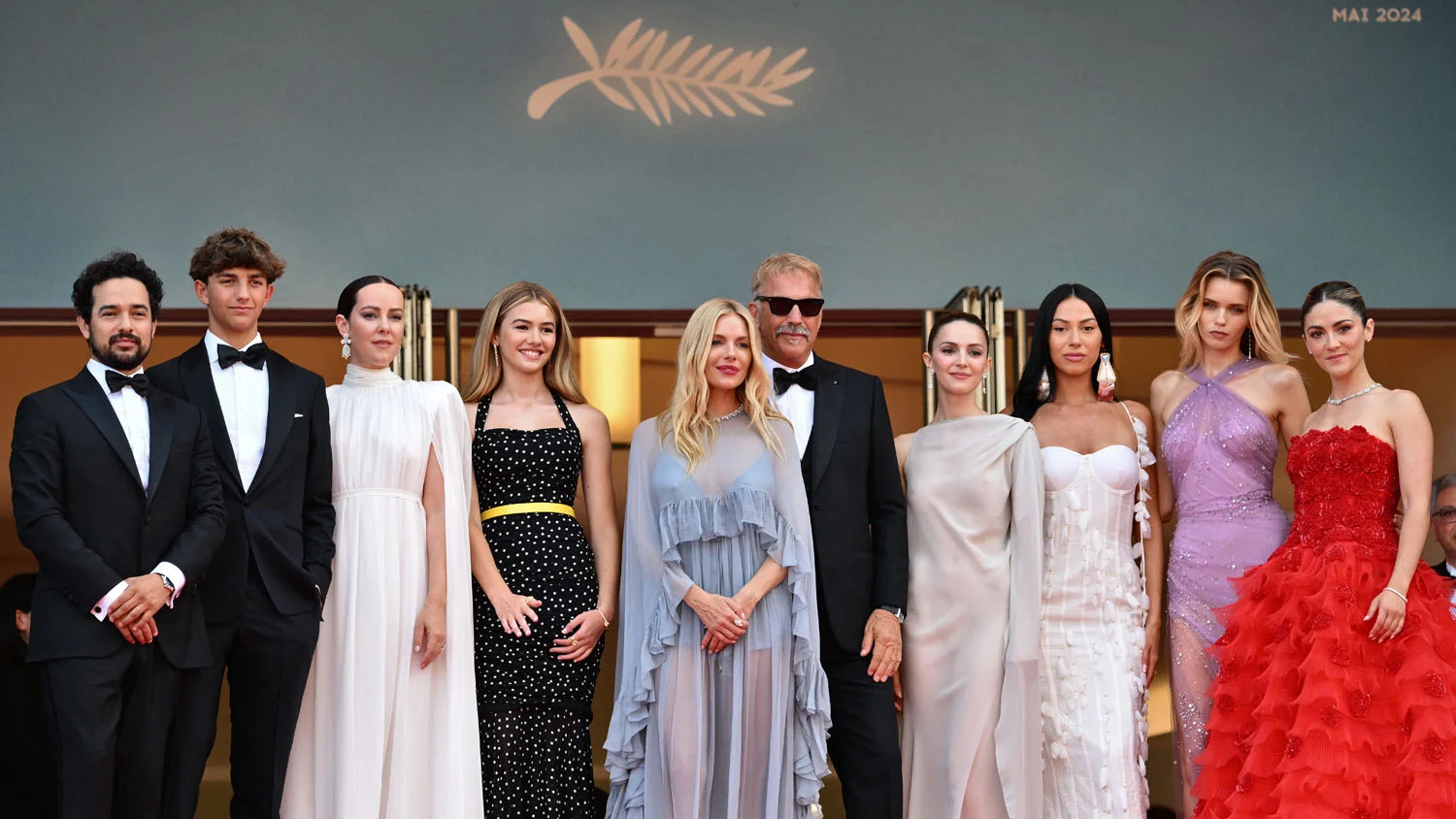
Kevin Costner's latest film, Horizon: An American Saga – Chapter 1, debuted recently at the Cannes Film Festival, stirring up a mix of excitement and skepticism. Reviewers have wavered in their praises, and one particularly amusing characterization likens it to “Dune: Part One for dads,” reflecting its appeal to a specific demographic typically characterized by a preference for nostalgia-driven storytelling.
A Niche Audience and Nostalgia
Among the audience members who resonate with this sentiment is my own dad, who rarely ventures into new movie territory and often replays classics like Patton or The Godfather. His enthusiasm for Horizon suggests that the film captures the essence of what many might consider a quintessential "dad movie." This genre often has a specific appeal, typically dominated by themes of heroism, male camaraderie, and a simpler take on moral struggles. It’s a trend that finds success not just in mainstream cinema but also in the streaming realm where familiar narratives reign supreme.
Yet, while Costner’s film might cater to this demographic, it also risks alienating younger viewers and those looking for more nuanced portrayals of complex situations. The division between generations—what resonates and what doesn't—often becomes a conversation starter in theaters.
Financial Commitment and Creative Control
Costner's commitment to this project goes beyond the usual fare; he self-financed Horizon by selling some of his real estate in Santa Barbara. This notable financial risk reflects a deeper trend among artists who prefer creative control. This approach mirrors Francis Ford Coppola's decision to part with his winery to fund another ambitious film project. While admirably bold, such choices warrant scrutiny. For every successful self-funded endeavor, there are many that falter without the safety net that traditional studio backing provides. The freedom to create without external pressure can be liberating, but it also brings the possibility of greater consequences should the project fail to resonate.
Gender Representation in Cinema
At the Cannes premiere, Costner notably brought along the women cast in the film, sparking discussions about his intent. He previously expressed his belief that “[w]omen are the reason the country goes forward. […] They were taken advantage of and they were resilient. I couldn't tell the story unless it revolved around them.” It's commendable that he aims to elevate female perspectives within the film’s narrative, yet this choice raises pressing questions about motives and public perception. Is he genuinely advocating for representation, or could this be a savvy marketing strategy aimed at deflecting criticism in a time when such narratives are increasingly scrutinized?
Joined by stars like Sienna Miller, Jena Malone, and Isabelle Fuhrman, the women made a striking visual impact on the red carpet. They’re not just there to fill a quota; their presence brings a sense of collective strength to the film's narrative—a refreshing contrast to the genre's often male-dominated storylines. (And this is the part most people overlook.) Yet, Costner's intentions could still be perceived as defensive. The optics of prioritizing female voices might serve as a shield against backlash regarding any regressive elements in the film’s portrayal of gender roles.
Mixed Critical Reception
While I admire Costner's intentions, critics seem conflicted. Positive notes from film analysts like Bilge Ebiri stand in stark contrast to the harsher feedback that has emerged from the festival. Indeed, broader festival sentiment has leaned towards skepticism, with more critical reviews surfacing as well. This mixed reception often complicates the narrative woven by filmmakers, as public perception can shift overnight in response to critical feedback.
The Red Carpet and Its Symbolism
This red carpet spectacle certainly captured attention, delivering striking visuals that juxtapose Costner's pro-female stance against his traditional Hollywood backdrop. This dynamic is interesting; it highlights the tension between altruism and ambition, both essential qualities in today's cinematic climate. Could this simply be an attempt to safeguard against bad reviews, or is it a genuine step towards representation? Perhaps both aspects coexist, revealing the complexities of a veteran actor navigating modern cinematic expectations and societal narratives.
Future Implications and Industry Direction
What this means for you, especially if you're working in this space, is that the film industry is at a crossroads. The juxtaposition of Costner's self-funded approach and his attempts to showcase female narratives suggests a broader trend toward independent filmmaking where artists seek to reclaim their stories from commercial interests. Yet, with the mixed reception of Horizon, it raises the question: will the audience embrace such narratives, or will they demand more from a film that aims to resonate with traditional values? The outcome affects not only Costner's future endeavors but also signals how the industry might evolve in its storytelling approaches.


Discussion
Sign in to join the discussion.