Antonio Sabato Jr. asks for privacy for his family and offers condolences in a statement that carefully avoids addressing the case directly.
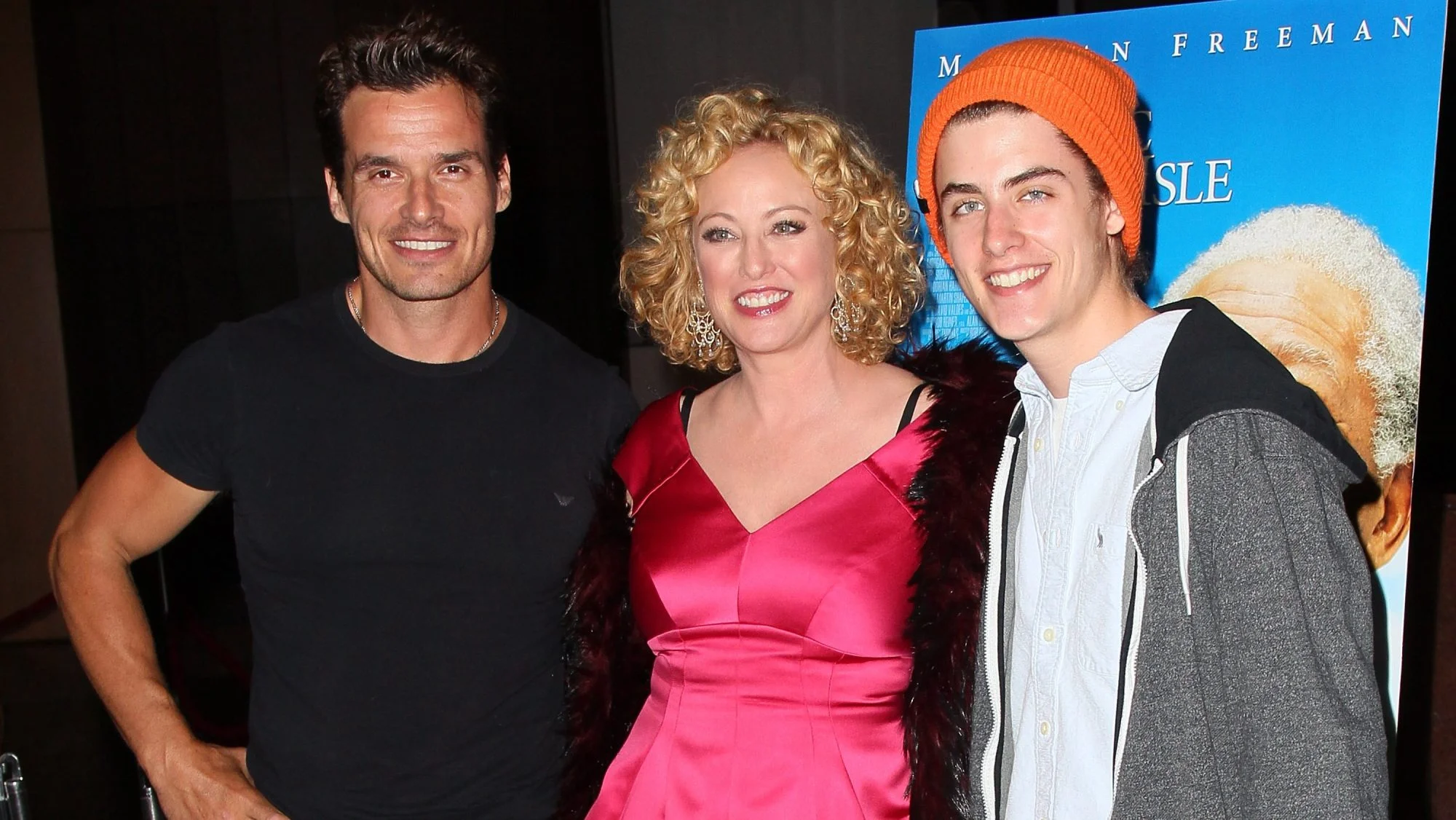
Antonio Sabato Jr. wants his family's name kept out of the headlines, and it's not hard to see why. His son with Virginia Madsen, Jack Sabato, was arrested earlier this week in connection with a fatal hit-and-run in Anchorage, Alaska. Privacy requests from a parent in this position rarely hold, and I don't think this one will be an exception. The details of the case are what will drive the coverage, and a famous last name only makes those details travel faster.
The Arrest and the Charges
Jack Sabato, 32, was arrested on Nov. 9. That same day, 42-year-old pedestrian Carl Simmonds was struck and killed by a Chevrolet Tahoe. Investigators allege that Sabato hit Simmonds and kept driving. Those are allegations, not findings, and it's worth keeping that line sharp in every headline and social post that follows.
He was arraigned on Nov. 10 and faces two charges. The first is a felony for leaving the scene of an accident without assisting the injured. The second is a misdemeanor for leaving the scene of an accident that resulted in injury or death. Read together, the two counts describe different failures: one centers on what happened to the injured person after the crash, and the other on the act of driving away from a collision that caused harm. Charges structured this way are common in hit-and-run cases, and they tend to shape how a prosecution is built long before a courtroom gets involved.
Sabato remains held at the Anchorage Correctional Complex. Pretrial custody is a separate question from guilt, and readers conflate the two constantly. If you're covering a case like this, that distinction is worth spelling out in your copy, even if it makes the piece a little less satisfying to read.
What Police Say Happened
According to Anchorage police, patrol officers and Anchorage Fire Department medics responded at about 5:48 a.m. on Nov. 9. They were called to the intersection of Airport Heights Drive and Debarr Road for a report of an unresponsive man. Simmonds was pronounced dead at the scene. Early-morning calls like this one often start with very little information, so the first responders were working from a bare report and had to piece together what happened on the ground.
Police said he'd been struck by a vehicle that then drove away. Officers located the Tahoe later that same day and arrested Sabato. That sequence matters, because it establishes a clear window between the crash and the arrest, and it shows that investigators built their case from physical evidence rather than from a confession. Vehicle identification after a hit-and-run usually depends on damage, debris, and witness accounts, and each of those can be tested later in court.
The charging documents add a detail that's going to get scrutiny. Sabato contacted police and said he had hit an animal. He told them he didn't stop to check because he was scared, since he didn't have insurance. That explanation doesn't account for a pedestrian's death, and it's the sort of account prosecutors tend to test closely against the physical evidence. Here's the thing: a statement like this can be wrong without being a lie, and the gap between what a driver believed he hit and what the vehicle actually struck is exactly where investigators will press. (And this is the part most people overlook: the insurance explanation is a motive claim, and motive claims are often the hardest for a defense to sustain once the physical record is in.)
The Family's Response
Sabato Jr., a model and actor who starred on General Hospital in the 1990s, shares Jack with Madsen, an Oscar nominee for Sideways. On Wednesday he posted a statement to X asking for privacy and for "thoughts and prayers" while the case proceeds. Public statements from relatives in criminal cases are rarely neutral, since they're written to manage reputation as much as to express feeling, and this one is no exception.
"At this time, my family and I are navigating an extremely sensitive and deeply personal matter," he wrote. "As a father, my love for my children remains unconditional, and my priority is the well-being of my family."
He added a line directed at the victim's family: "I also wish to extend my heartfelt condolences to the family and loved ones of the gentleman who tragically lost his life. My thoughts and prayers are with them as well."
The statement is careful, and it's built to protect Jack without addressing the charges. Expect that to draw criticism. A father can be sympathetic and still be publicly silent on the facts, but the gap between "my love for my children remains unconditional" and an unresolved death investigation is going to be hard for many readers to ignore. The condolences are real in the sense that they're written down, yet they land differently when the person being mourned is someone the accused allegedly left in the street.
— Antonio Sabato Jr (@AntonioSabatoJr) November 12, 2026
Why This Case Will Travel Beyond Anchorage
Cases involving the children of well-known people almost always get more attention than comparable cases involving everyone else. That isn't a judgment about fairness so much as a fact about how audiences find stories. A hit-and-run death in Anchorage would ordinarily stay in local coverage, but a surname with a television history and an Oscar-nominated mother pulls it onto national feeds, and the framing shifts from what happened to who it happened to.
That shift creates problems for everyone involved. The victim's family, Simmonds's loved ones, risk having their loss treated as a footnote to a celebrity story. The Sabato family faces coverage that mixes verified police information with speculation and commentary. And reporters, including this one, have to resist letting the famous names do the work that the evidence should be doing. If you're working in this space, the discipline is simple to describe and hard to practice: attribute every claim, separate the charging documents from the rumor, and don't let a statement on social media become the lede.
What comes next will matter more than the statement. The court record will show how the charges develop, what the evidence looks like once it's presented, and whether the insurance explanation survives contact with the physical facts. Those are the questions worth tracking. The celebrity angle will fade faster than the case will, and the reporting that holds up will be the reporting that stayed on the details. I'd expect the coverage to peak around the next court date and then thin out, unless new facts surface that change the story's shape.

Discussion
Sign in to join the discussion.