A new play at Arkansas Repertory Theatre centers on Dr. Joycelyn Elders, exploring her controversial tenure as the U.S. Surgeon General.
Bringing Personal History to the Stage
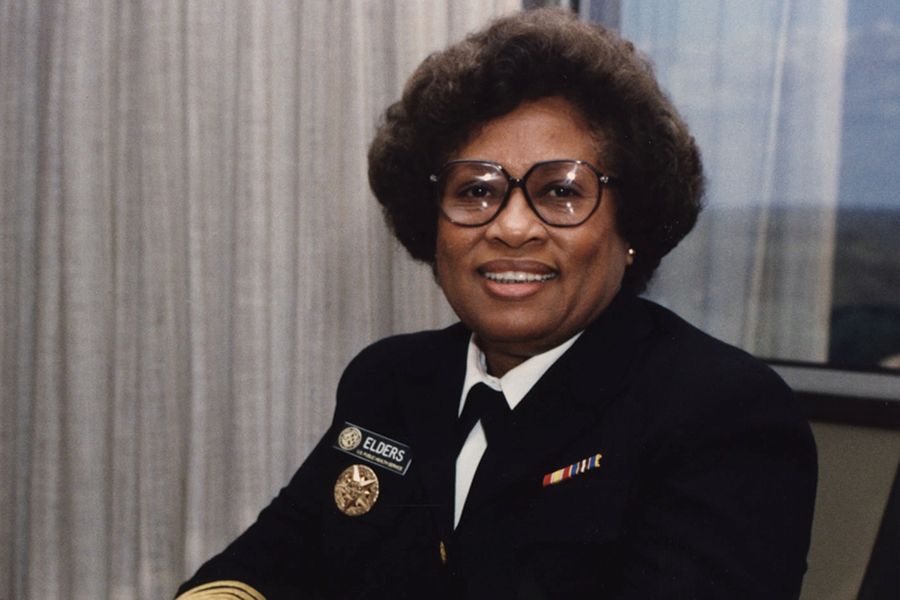
Steve H. Broadnax III, the artistic director of Arkansas Repertory Theatre, doesn't just draw from personal experience—he actively brings it to the stage. His new play, The Remarkable Resignation of Dr. Joycelyn Elders, runs from August 11 to 29 at the Rep, shining a light on an Arkansas icon intertwined with his own family's history. This isn't merely a theatrical endeavor; it’s an exploration of identity, heritage, and the complex narratives that shapes us. Broadnax's connection to Dr. Elders gives the production a layer of significance that many plays often lack.
“Dr. Elders and my grandmother are friends,” Broadnax recalls, highlighting how he often encountered both her and the Clintons in local settings during his childhood in Little Rock. This personal connection enriches the narrative he’s presenting. It’s not just a historical reenactment; it’s a heartfelt meditation on how these powerful figures have influenced personal and collective memories in Arkansas. The hometown backdrop adds an authenticity to the storytelling, making it relevant for audiences who share similar experiences.
Unpacking the Narrative Threads
Co-commissioned by Arkansas Rep and Pennsylvania’s People’s Light, the play aims to present a nuanced portrait of Dr. Elders, featuring a pivotal interview shortly after her resignation. Through a series of flashbacks, the narrative explores her roots in a sharecropping family, her role as director of the state health department under Governor Clinton, and the chaotic 15 months she spent as Surgeon General. These scenes serve as a vehicle for understanding the societal pressures she faced. Her resignation in 1994 followed her comments on sex education and drug decriminalization, which were met with intense scrutiny and misinterpretation. That turbulent period is crucial for understanding not only her character but also the cultural backdrop of the time.
The backdrop of a sharecropping family adds layers of socioeconomic context that are vital for appreciating Elders' achievements and struggles. In a world where many still grapple with the legacy of systemic inequality, her story is both unique and emblematic. Dr. Elders didn’t just navigate the complexities of public health; she confronted fiercely held beliefs and cultural taboos. The specific challenges she faced as a woman of color in a predominantly white male world are facets that are often glossed over in historical discussions. This play shines a light on those stories, giving voice to underrepresented narratives.
The Impact of Candid Discourse
Even now at 92, Dr. Elders’ candidness remains refreshing. Her frank discussions—once considered scandalous—are more accepted in today’s discourse, but her ability to provoke thought still resonates. You can't help but notice the risks she took in addressing topics that many were uncomfortable with. This aspect of her character serves as a valuable reflection on the progress society has made since the 1990s, yet also highlights how much further there is to go. Broadnax noted the play’s subtitle, Condom Queen, derives from one of her most memorable remarks: “If I could be the ‘condom queen’ and get every young person who engaged in sex to use a condom in the United States, I would wear a crown on my head with a condom on it!”
This quote exemplifies her commitment to sexual health education, showcasing that her mission was about more than just prevention; it was a challenge to societal norms. It's fascinating how this quote was perceived during her tenure and how it’s received today. The shift in public perception regarding sexual health education indicates a broader acceptance of previously taboo subjects. Yet, one can't help but wonder if Elders' voice would still ruffle feathers in certain circles today. Her ability to provoke thought through simple yet impactful statements makes her an enduring figure in public health discourse.
Implications and Future Outlook
What this means for you, the audience member or the casual observer, is an invitation to engage with ideas that may still provoke discomfort. The play not only offers a window into Dr. Elders' life but also serves as a mirror reflecting the ongoing debates around health, education, and equity that continue to shape policy and public opinion. And yet, we must consider the implications of rendering such a figure's history into a theatrical narrative. Will it inspire future discussions on sexual health or public policy? Will it drive home the importance of having diverse voices in leadership positions? These questions linger heavily.
As art often does, this production holds the potential to ignite conversations, encouraging audiences to reflect on their own beliefs and biases. This piece isn't merely entertainment; it's an opportunity to harness the power of storytelling for social impact. If you’re working in this space—whether in education, health, or community organizing—Broadnax's work should serve as an impetus to consider how you can contribute to these critical dialogues. The pathway from Elders’ past to today’s health discussions is not only richly historical but vibrantly contemporary. It’s a reminder that the past continually informs the present, shaping future generations’ thoughts and actions.


Discussion
Sign in to join the discussion.