Lezzetitarifet
Movies

Cinematic Reflections on 9/11: Remembering Resilience through Film

Published Sep 11, 2026 Reads 952 By Robert Jones

As we mark 25 years since 9/11, film remains a powerful medium for exploring its profound impact and themes of resilience in storytelling.

Cinematic Reflections on 9/11: Remembering Resilience through Film
Memory and Reflection on 9/11 What were you doing on September 11, 2001? It's a question that evokes powerful memories and emotions, a day etched into the collective consciousness of the world. Whether you were at school, at work, or having a rough morning recovering from a night out—like the renowned Seth MacFarlane, who narrowly missed being on one of the hijacked flights—it’s a pivotal date many recall vividly. Now, as we mark twenty-five years since that tragic day, the impact it had on countless lives continues to resonate, especially in the realm of film, where storytelling seeks to grapple with such profound loss and transformation. In the years following 9/11, filmmakers have produced a limited but significant collection of works that both honor and interrogate the events and their aftermath. Like the cinematic parallels drawn to other monumental shifts—think "COVID movies" or "recession films"—the genre focused on 9/11 offers a unique take on this national tragedy. Notable examples include Paul Greengrass's *United 93* and Oliver Stone's *World Trade Center*, both released just five years post-attack, presenting different narratives that offered audiences perspectives on that day and its broader implications. Beyond these generally recognized titles, the subject matter of 9/11 has inspired a diverse array of films that don’t always tread the expected path. Spike Lee's *25th Hour*, for instance, captures the lingering atmosphere of New York in its aftermath, though the looming shadow of the attacks remains more implied than overt. Similarly, Tom Hanks-led *Extremely Loud & Incredibly Close* takes a uniquely poignant approach by focusing on personal loss through a child’s eyes. On the documentary front, works like *Turning Point: Generation 9/11* probe the lasting effects of that day on subsequent generations, offering insights into how the world has irrevocably changed. As we look back, it’s clear that cinema has played an essential role in processing the complexities of 9/11. Through a range of narratives, filmmakers have not only memorialized the tragedy but have also encouraged reflection on resilience and the human condition in the face of despair. To commemorate this anniversary, let’s explore some noteworthy films worth revisiting.
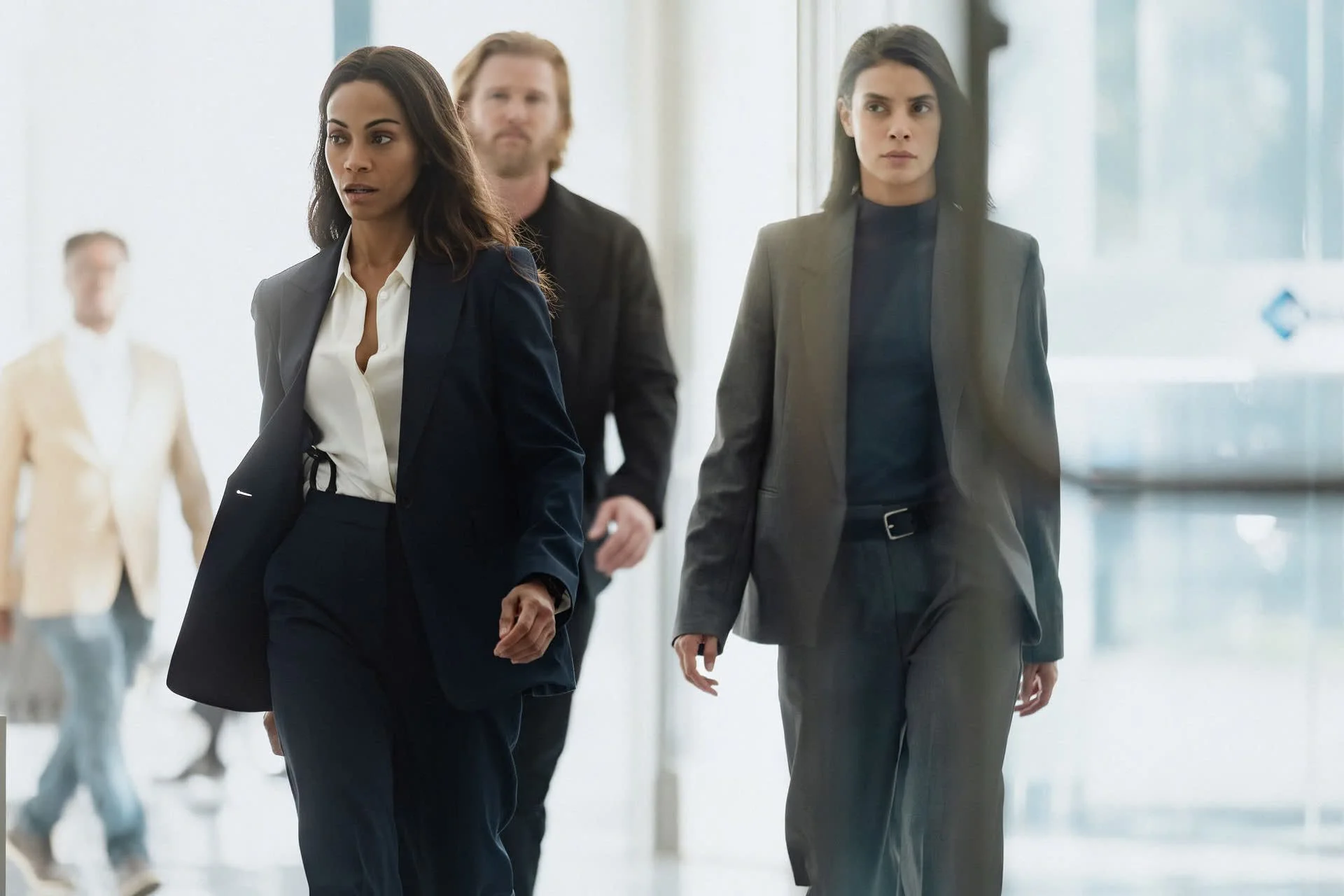

Reflecting on Stories of Resilience

It's intriguing how films and shows about the events of September 11 have varied in tone and message. Take Oliver Stone's *World Trade Center*, for instance, which debuted in August 2006, not long after Paul Greengrass’s *United 93*. While Greengrass’s approach was a gritty, urgent recounting of the day’s chaos, Stone opted for a more reflective narrative. Featuring well-known actors like Nicolas Cage and Maggie Gyllenhaal, *World Trade Center* strikes a notably solemn chord, focused on themes of duty and sacrifice that can at times teeter into sentimentality. Still, for all its gravitas, it stands apart as one of the more respectful takes on the tragedy, honoring the lives lost amidst the rubble. Then, there’s *Come From Away*, a musical that might sound improbable in its premise — a comedy about 9/11. However, this show, crafted by Irene Sankoff and David Hein, commercializes the real-life experiences of passengers stranded in Gander, Newfoundland. On that fateful day, the residents opened their homes and hearts to those in need. Unlike the more serious tone of *World Trade Center*, *Come From Away* emphasizes human connection and resilience in the face of adversity. Its filming during the restrictions of the COVID-19 pandemic, in front of an audience of frontline workers and 9/11 survivors, is a poignant reminder of communal bonds during crises. If you're curious to see how laughter and hope can emerge from despair, you can catch it on Apple TV [here](https://tv.apple.com/us/movie/come-from-away/umc.cmc.262n0v53nmotkz7ulzuuco7rq?itsct=atvp_brand_omd&itscg=MC_20000&mttn3pid=Google+AdWords&mttnagencyid=a5e&mttncc=US&mttnsiteid=143238&mttnsubad=OUS2019919_1-770284368187-c&mttnsubkw=129592050853_kwd-849490514522_LI254Evl_&mttnsubplmnt=_adext_). These narratives reveal significant insights about how society processes tragedy. The spectrum of storytelling—from solemn memorials to uplifting tales of resilience—sheds light on our collective healing. The choice of narrative is not merely artistic; it reflects the various ways we attempt to reconcile with our shared history. For those of us observing how these stories evolve, it raises an essential question: how does the medium shape the message?
Source: Robert Jones · www.esquire.com

Discussion

Sign in to join the discussion.