Nathan Fielder's new documentary "You Can See Everything" presents Elizabeth Holmes' reflections as she faces prison time, challenging her narrative of innocence.
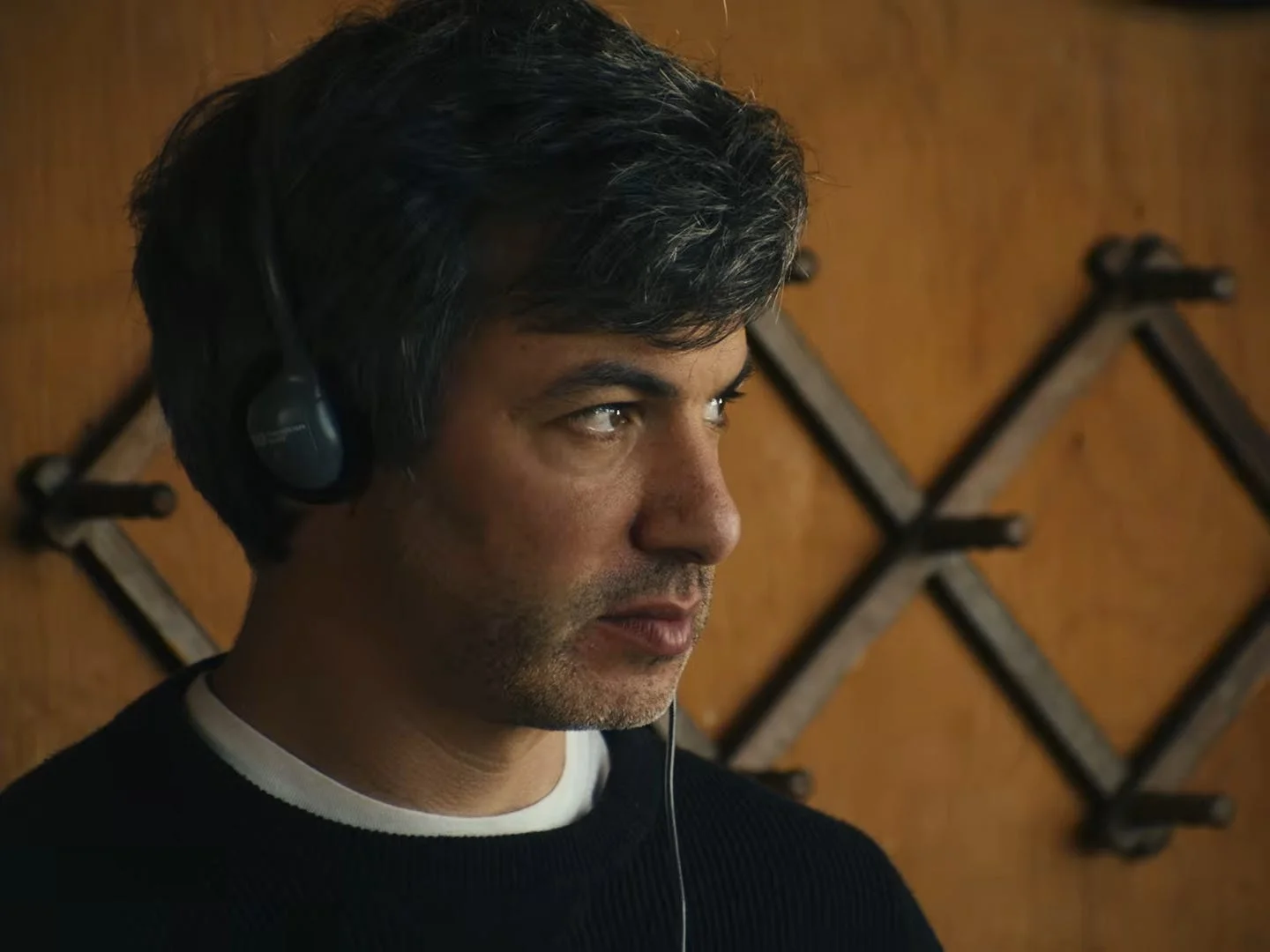
As the year unfolds with numerous blockbuster films, Nathan Fielder's upcoming documentary, You Can See Everything, focused on Elizabeth Holmes, might just steal the spotlight in 2026. Released recently, its first official trailer captures an intense interaction between Fielder and Holmes, who reflects on her tumultuous past.
Unveiling the Trailer: A Close Encounter
Fielder begins with a poignant question: “Do you really feel you’ve done nothing wrong?” Holmes, who now faces a decade behind bars, maintains her innocence throughout the trailer. This response isn't merely a personal defense; it reflects the complexities of a figure who stood as an emblem of ambition gone awry. When pressed about the turning point in her journey, she admits, “I wish I knew,” revealing a haunting ambiguity about her fall from grace. This moment encapsulates a broader narrative—the downward spiral from visionary entrepreneur to convicted fraudster.
The Intrigue of Personal Dynamics
The documentary captures not only the gravity of Holmes’ situation but also her life in the days leading up to her incarceration in Bryan, Texas. Fielder immerses himself into her personal space, portraying moments spent with Holmes, her partner Billy Evans, and their children. This intimate setting plays a critical role. It’s a reminder that behind every headline is a personal life upended by scandal. The dynamics of this family setting become particularly intriguing, especially considering Evans’ affluent background as an heir to a hotel chain in San Diego. The inherent contrast between their privileged lifestyle and Holmes' controversial legacy adds layers to the narrative.
Trust and Skepticism: A Delicate Balance
As the trailer unfolds, Fielder probes deeper into the trust between Holmes and Evans, asking, “You’ve never been suspicious that she’s ever lied to you?” This question gnaws at the viewer. It puts a spotlight not just on Holmes, but on the human tendency to forgive and overlook red flags, particularly in personal relationships. Given Holmes’ criminal conviction on three counts of wire fraud, her assertion that she has nothing to hide feels dissonant against the backdrop of her judicial history. You can sense the strain in the air—how does one reconcile love with the betrayal of trust? This is difficult territory, where the emotional elements intertwine with ethical implications.
The Rise and Fall of a Silicon Valley Icon
Holmes once stood at the pinnacle of Silicon Valley success as the visionary behind Theranos—an ambitious startup that falsely boasted of doing complex blood tests with minimal samples. At its peak in 2013, the company reached a staggering valuation of $9 billion until investigative reporting eventually exposed its deceitful practices, leading to its collapse in 2018. This backstory isn’t just background; it forms the foundation of the cultural critique that will likely surface in Fielder's work. Holmes’ tale reflects a cautionary narrative pertinent not just to tech but also to society’s broader fascination with startup success.
Nathan Fielder's Unique Approach
Fielder's approach to storytelling resonates well in this setting, especially with his history of navigating deception in series like Nathan for You and The Rehearsal. Critics have noted that few have managed to get so close to Holmes’ intricate narrative as Fielder does in this documentary. He doesn’t just surface the questions; he invites viewers to sit with the discomfort of uncertainty and moral ambiguity. In doing so, he forces us to confront the uncomfortable truth: the line between genius and deceit can be alarmingly thin.
A Surprise at Telluride
Premiering as a surprise at the Telluride Film Festival, You Can See Everything has drawn acclaim for its unpredictability, setting the stage for a significant release. Scheduled to debut on October 16, the anticipation grows as audiences await to see Holmes address her past through this intriguing lens. Fielder’s documentary arrives at a pivotal moment when society is increasingly questioning the narratives spun around entrepreneurship and the often-celebrated figures within it. There’s a sense that this story could resonate far beyond the screen; it reflects a collective grappling with trust in leadership and innovation.
Implications and Future Outlook
The significance of this documentary extends beyond entertainment. It challenges viewers—especially those working in tech circles—to reflect on the ethical dimensions of their pursuits. What does it mean when ambition blinds us to reality? This documentary might serve as a necessary adjunct to current conversations about transparency and accountability in tech. If you’re working in this space, the themes explored here could very well shape your understanding of both the potential and pitfalls of innovation.
The mixed reactions to Holmes' story underscore a pressing need for discernment in a world eager to celebrate success without fully understanding the repercussions of failure. With Fielder at the helm, audiences may find themselves navigating not only Holmes’ narrative but also their own perspectives on trust, ambition, and the cost of deception. It’s a tangled web, indeed, and one that promises to spark discussion long after the credits roll.

Discussion
Sign in to join the discussion.