Apple TV's *Nocturne* explores enduring evil, revealing the psychological manipulation from a villain even when he's incarcerated.
### A Dark Encounter with Humanity
We often find solace in the notion that justice ultimately prevails. If we can name a monster, we can catch it. Yet, Apple TV's upcoming series *Nocturne* shatters that perspective. Set to premiere on October 30, this horror-infused crime thriller embarks on a chilling exploration of a society grappling with a relentless evil, one that persists even when the perpetrator is safely behind bars.
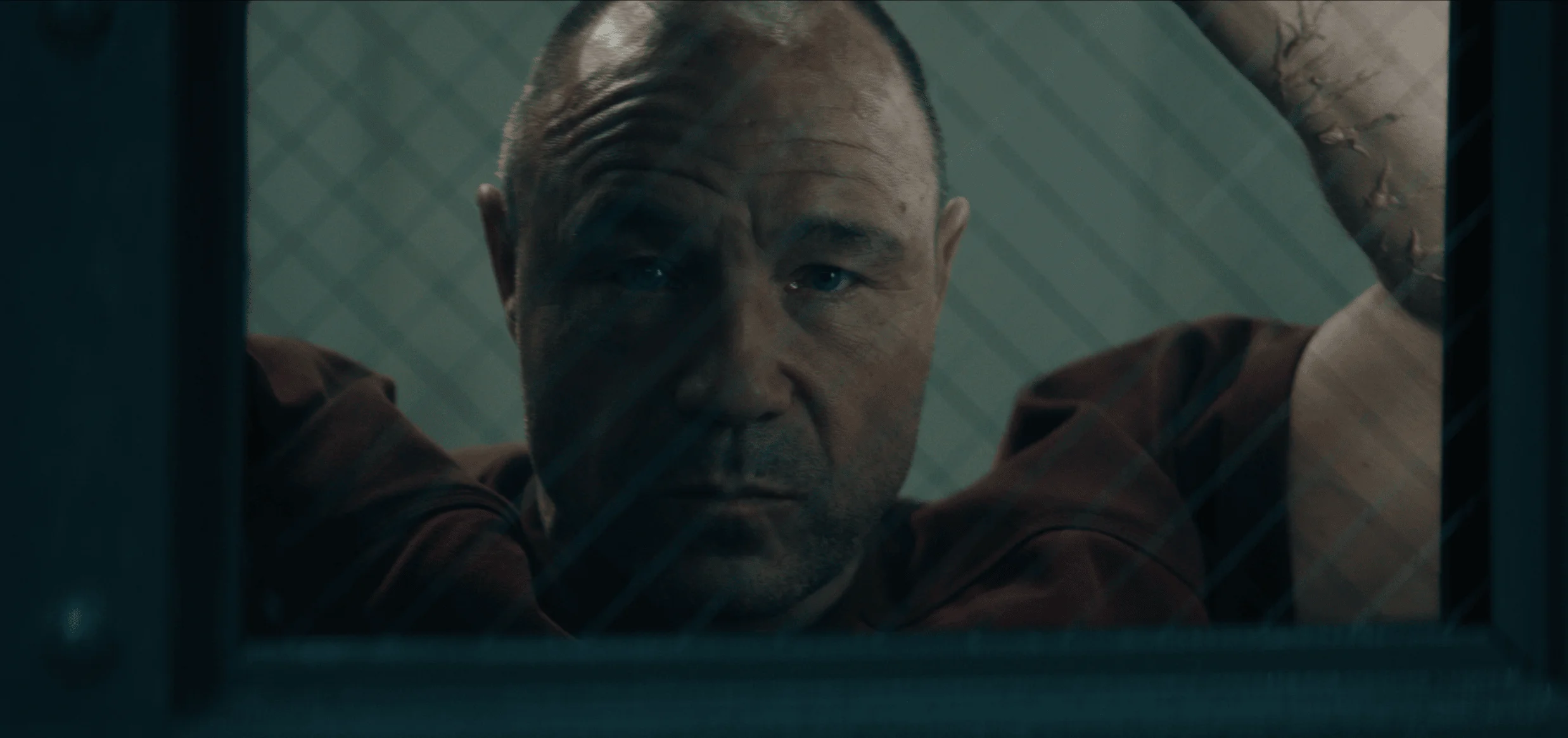
From the outset, *Nocturne* flips the conventional crime narrative. Authorities have apprehended Jurek Walter, played by Stephen Graham, the sinister figure responsible for harrowing kidnappings and murders. Despite his incarceration in a solitary confinement cell within a psychiatric facility, the gruesome pattern of violence continues, unnervingly uninterrupted. What's more troubling? This series challenges our expectations — rather than a hunt—it's a game of manipulation and mind games, with Jurek still orchestrating terror from within the confines of his cell.
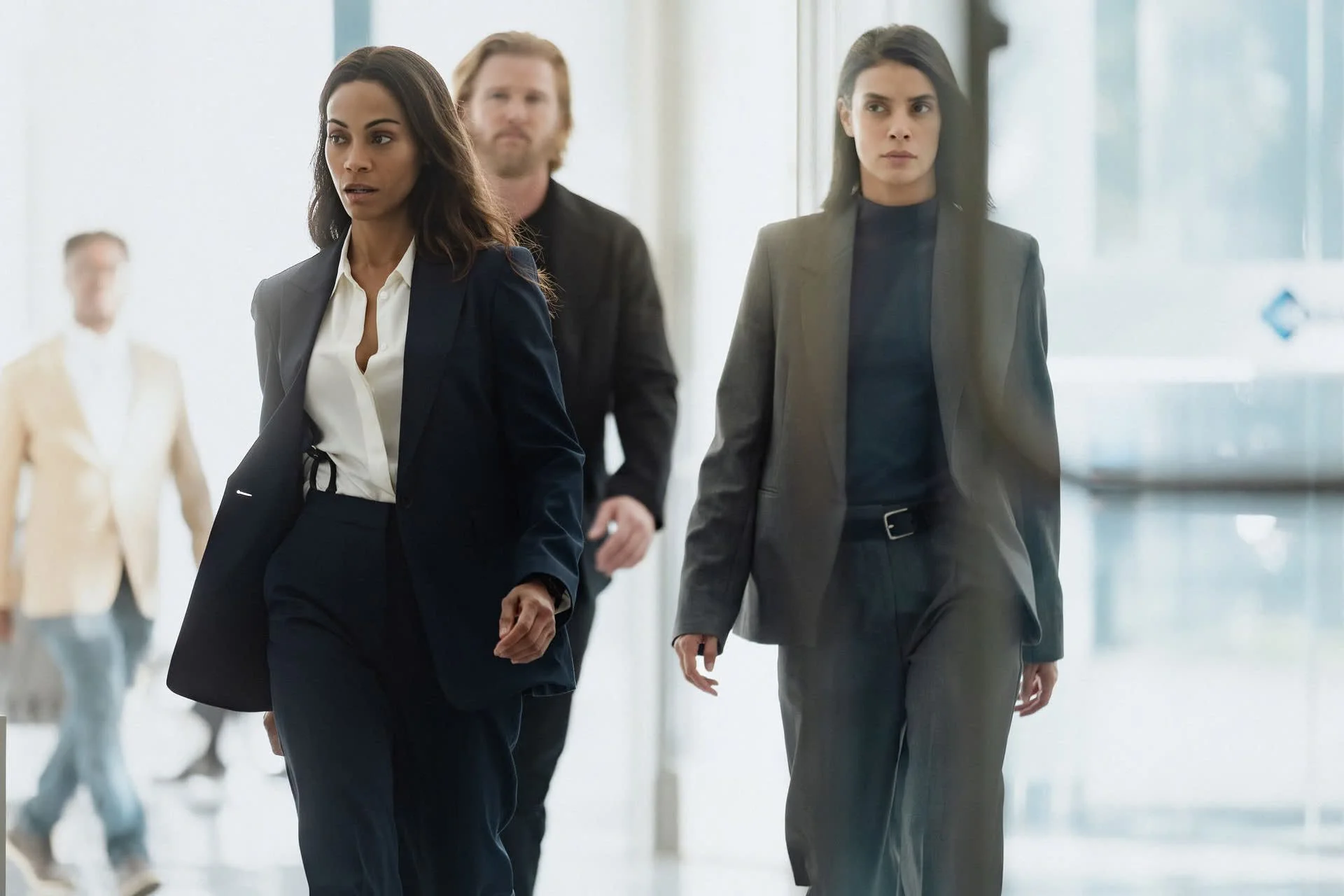
At the heart of this psychological duel are two characters drawn deeper into the shadows than they ever anticipated. Jonah Lynn, a former homicide detective portrayed by Liev Schreiber, and Saga Bauer, played by Zazie Beetz, an FBI agent with personal stakes in the case, are driven to unravel the mystery of Jurek's influence over his unseen accomplices. The stakes couldn't be higher: their safety hinges on their ability to navigate a web of deception and manipulation that has already cost lives.
As the plot unfolds, it becomes evident that Jurek's weapon isn't firearms or knives — it’s a far more insidious force: hopelessness. Graham describes his character's approach as one that twists the psychological knife until victims are pushed to the brink of despair. "For him, the best way to be able to attack is to make somebody take their own life," he explains. There’s something disquieting about a villain capable of exploiting vulnerability so expertly; it makes the face of evil less identifiable and more relatable than most thrillers.
Strikingly, Jurek isn’t portrayed as the typical bloodthirsty sociopath. Instead, Graham offers a portrayal that’s disturbingly calm yet deeply unsettling. His soft-spoken demeanor only amplifies his sinister presence, allowing him to manipulate and weaponize empathy. "He's very much a chameleon," the actor reflects. "You never get to experience, truly, who he is." Here’s the rub: Jurek doesn’t just prey on his victims; he thrives on their fears and weaknesses.
This unsettling psychological warfare raises the stakes for Lynn and Bauer, who must confront their own vulnerabilities while still pursuing justice. The genius of *Nocturne* lies in its stark reminder that even after a criminal is behind bars, the threat can endure — often lurking more dangerously than before. As Schreiber aptly points out, "It’s a great sucker punch."
The creative backbone of *Nocturne* boasts an impressive pedigree, there’s an established tradition of delving into humanity's darkest corners. The series draws inspiration from Lars Kepler’s *The Sandman*, masterfully adapted by Rowan Joffe, known for his work on *The American* and *28 Weeks Later*. Joffe's decision to shift the original Scandinavian setting to the eerie, sprawling woods of Pennsylvania creates a haunting backdrop, one that serves as a character in its own right in this twisted tale.
As we gear up for the premiere, *Nocturne* promises to challenge our notions of good and evil. If you’re bracing for a straightforward thriller, prepare for a harrowing ride that compels you to question your own moral compass. It's a leap into darkness that doesn’t offer easy answers but merely echoes the chaos of human nature when pushed to the edge.


Discussion
Sign in to join the discussion.