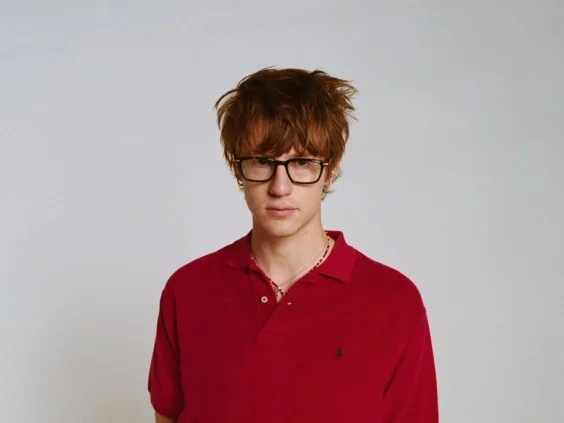
Malcolm Todd challenges stereotypes with his music and imagery, presenting a fresh, wholesome vibe in today's pop landscape.
Malcolm Todd's Unique Image
“Respectfully, you’ve been quite naked this era.” This intriguing line opens a recent Interview feature on LA-based singer-songwriter Malcolm Todd. Ironically, while he doesn’t appear nude in the feature, his album cover for Do That Again presents him shirtless in a bathtub, a nod to a quirky aesthetic reminiscent of early 2000s ads. This choice reflects more than just visual flair; it’s part of a broader strategy to engage a demographic that values authenticity and whimsy in its artists. Nostalgia plays a significant role here, as Todd channels a time when album art was a canvas for personal expression and cultural commentary.
Music Meets Wholesome Branding
Throughout his album, Todd sheds various layers not just literally—donning a tank top, a jean skirt, and an array of tops—but also metaphorically in how he navigates identity. He skillfully threads themes of vulnerability and self-exploration, tapping into a zeitgeist that resonates deeply with Gen Z and young millennials searching for relatability. Despite the provocative album cover, Todd’s artistry avoids a sleazy portrayal; instead, his merchandise features playful designs like teddy bears and rubber duckies, showcasing a key aspect of his aesthetic.
This juxtaposition of the risqué and the innocent rides a fine line but also provides a fresh take on the concept of the “wholesome rocker.” His visuals accompanying the single “Breathe” evoke a nostalgic slumber party vibe, steering clear of overt sexualization, which can so often dominate male artist branding in contemporary music. This distinctive presentation is a calculated move; Todd appears to be saying that vulnerability and strength can coexist without resorting to clichés, and that resonates today. His tour and album titles, like “Sweet Boy” and “Wholesome Rockstar,” reflect a conscious brand that subverts typical expectations. This isn’t simply branding—it's a critique of the hyper-masculine imagery prevalent in much of the mainstream music industry.
It's worth considering this trend in contrast with previous artists. Look back at figures like Rivers Cuomo or even Billie Eilish, who have similarly blended innocence with depth, albeit in different ways. Unlike Cuomo, whose early appeal often hinged on a nerdy, ironic edge, Todd seems to embrace a sweeter, more reassuring approach that feels distinctly contemporary. If you're working in this space, you'll recognize that this embrace of duality speaks volumes about societal shifts in how artists are perceived and how they choose to present themselves. The cultural climate today demands more complexity from public figures, and young artists like Todd are responding in kind.
Implications of Todd's Approach
The implications of Todd’s branding extend beyond mere aesthetics; they reflect broader cultural currents in how identity is formed and displayed in popular media. In an age where identity can seem fluid and multifaceted, Todd embodies an approach that invites his audience to engage with their own complexities. This feels particularly relevant in a time when mental health discussions are more prominent than ever. By portraying vulnerability as strength and offering a backstory through layered fashion choices, Todd invites introspection among his listeners.
Moreover, Todd’s choice to market his image with elements that may initially seem childlike adds an unexpected complexity. This approach provokes thought about how society perceives masculinity. Instead of leaning into traditional tropes of power or dominance, he underlines a softer side of masculinity. It’s refreshing, yet it raises questions: Are we prepared for male artists who reject overt sexualization in favor of something more whimsical and sincere? The answer may lie in Todd’s growing appeal among a demographic that values kindness and authenticity over bravado.
The path Todd is carving out could signal a shift in the music industry's approach to branding. As streaming platforms prioritize artists’ personalities alongside their music, this kind of authentic self-presentation may become more common. If Todd manages to strike a chord with audiences, it could push other artists to reconsider their branding strategies and engage with their art in new, refreshing ways.
What this means for you, the listener or industry professional, is that the expectations of artist branding are changing. Audiences are hungry for those who are willing to reveal their vulnerabilities and navigate complex identities. Todd’s unique presentation shows that you don't have to conform to the often rigid stereotypes of gender and music, and therein lies more than just an artistic statement—it's a potential movement toward a more inclusive and nuanced representation in the arts.
Undoubtedly, as Malcolm Todd continues to evolve as an artist, he'll face challenges that come with visibility and the expectations it brings. But his current trajectory suggests that his playful, introspective approach might just resonate, encouraging a generation to rethink how they engage with music and the artists behind it. And this is the part most people overlook: the power an artist has to influence cultural dialogues through their choices, both musical and visual.
The post Did We Need A Gen Z Rivers Cuomo? appeared first on Stereogum.


Discussion
Sign in to join the discussion.